
Compare Mexico Destinations for Long-Term Living
Compare 13 Mexico destinations by the daily life you want: your housing budget, climate preferences, healthcare access, transport and social connections. Start with two or three places, use the filters below, then test the neighbourhoods and journeys that matter to you on a scouting stay.
Each destination guide covers practical strengths and trade-offs, including cost of living, healthcare access, housing, transportation, climate, and day-to-day lifestyle. For a direct side-by-side starting point, see our Top Places to Live in Mexico comparison.
Find your shortlist
Search by city or a word in its profile, then narrow the setting. These filters describe location, not suitability or safety.
Browse all 13 destination guides below.
Compare Ajijic, Puerto Vallarta and Mérida · Use the two-city planning worksheet
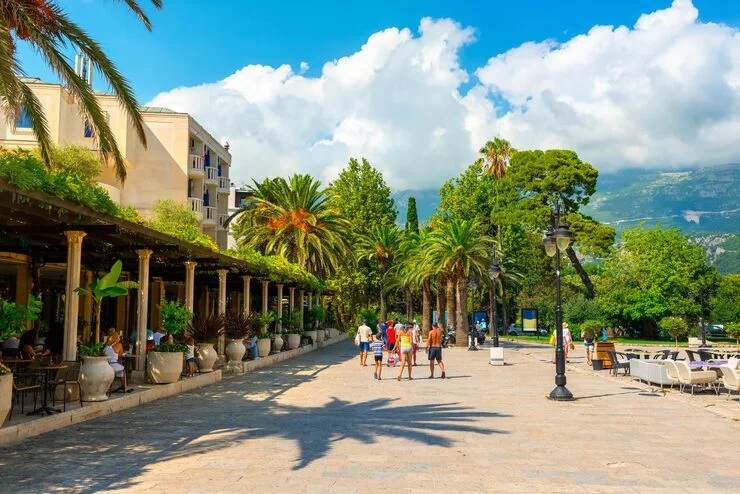
Puerto Vallarta
A lively Pacific coast city with established expat services, private healthcare options, humidity, traffic, and higher costs in popular neighbourhoods.
Read the full guide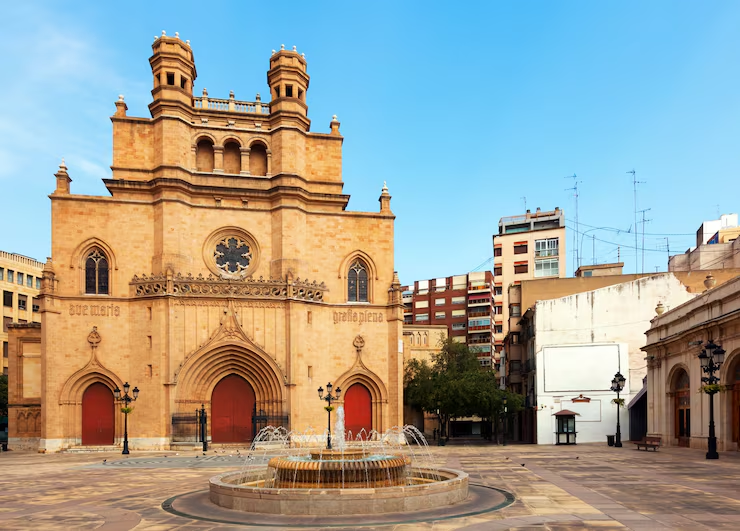
Mérida
A major Yucatán city known for culture and services, with intense heat, seasonal humidity, and growing housing costs in popular areas.
Read the full guide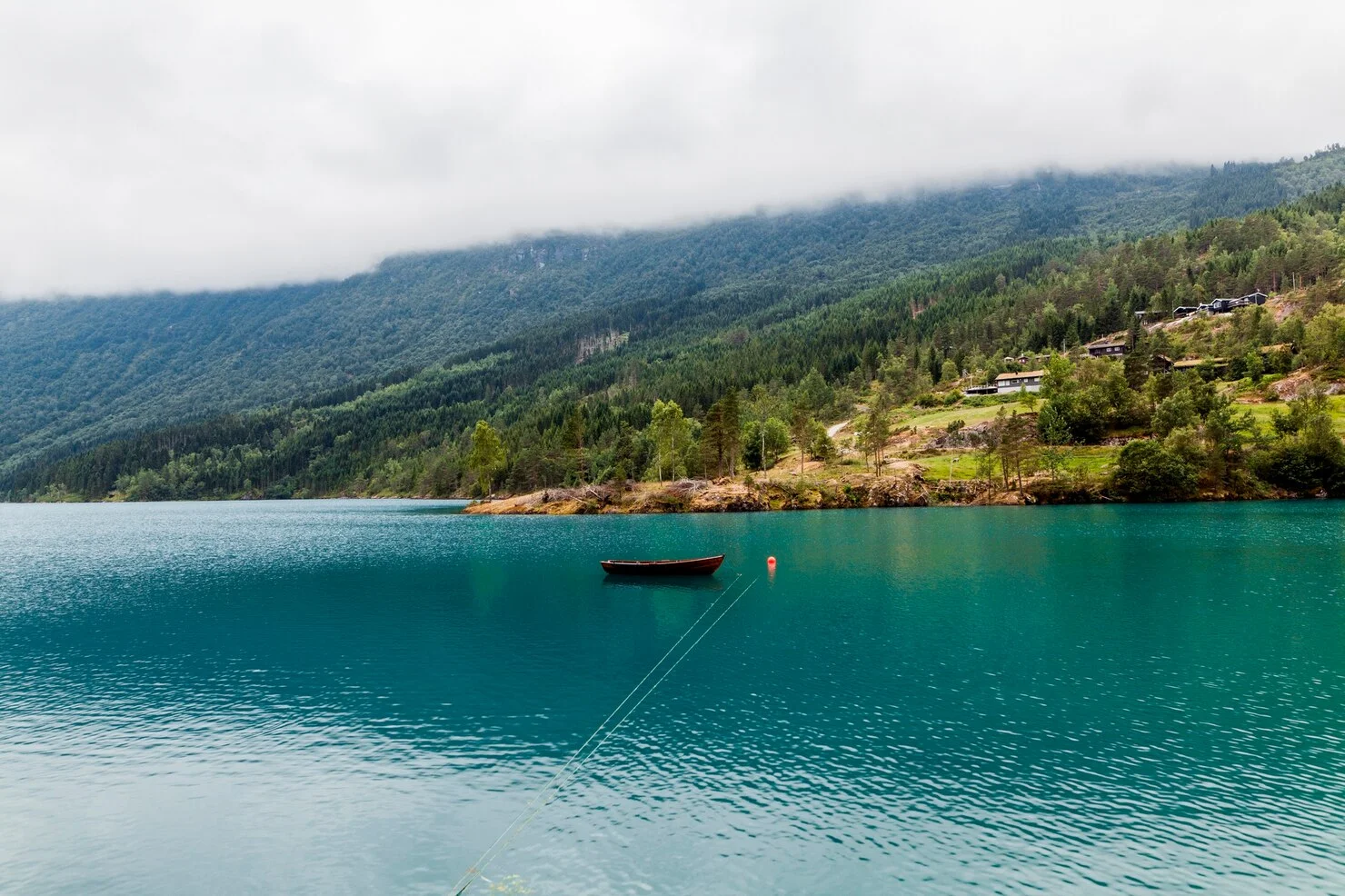
Lake Chapala / Ajijic
An established retirement area with a mild climate and strong social networks; healthcare depth, traffic, and neighbourhood walkability still require careful comparison.
Read the full guide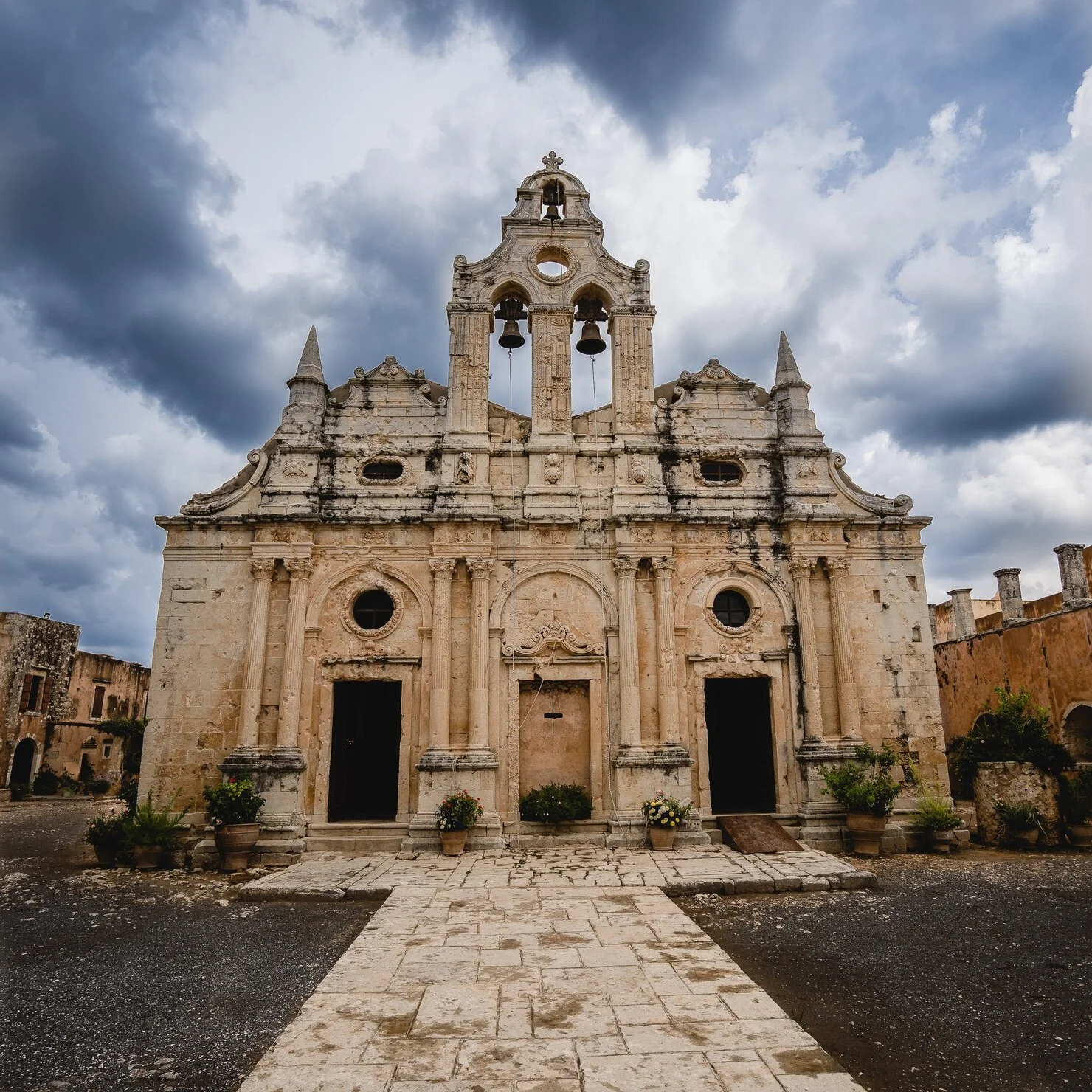
San Miguel de Allende
A visually distinctive arts destination with an active international community, uneven streets, hills, and relatively high housing costs in central areas.
Read the full guide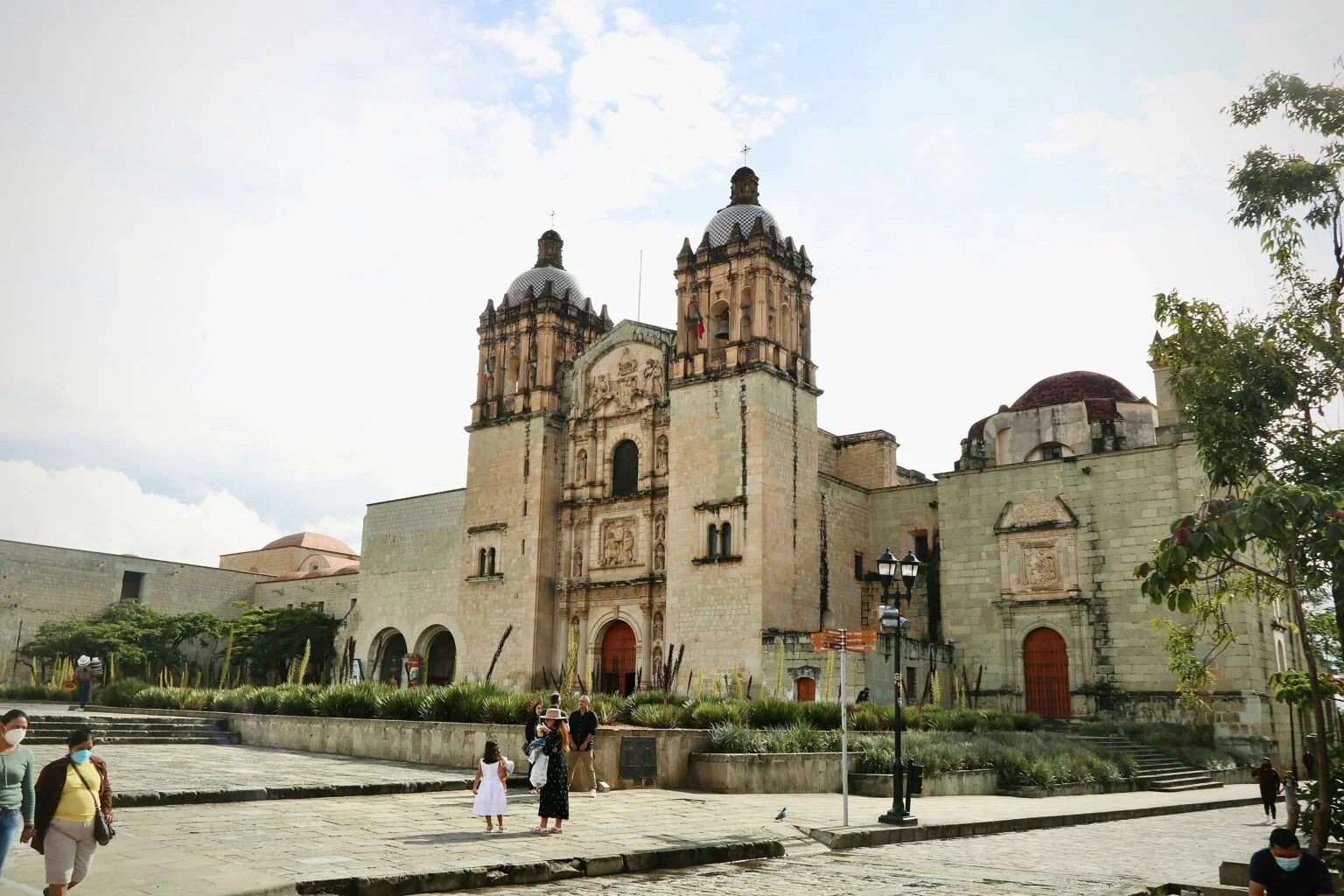
Oaxaca City
A culturally rich inland city with a strong food tradition, increasing housing pressure, and infrastructure that varies by neighbourhood.
Read the full guide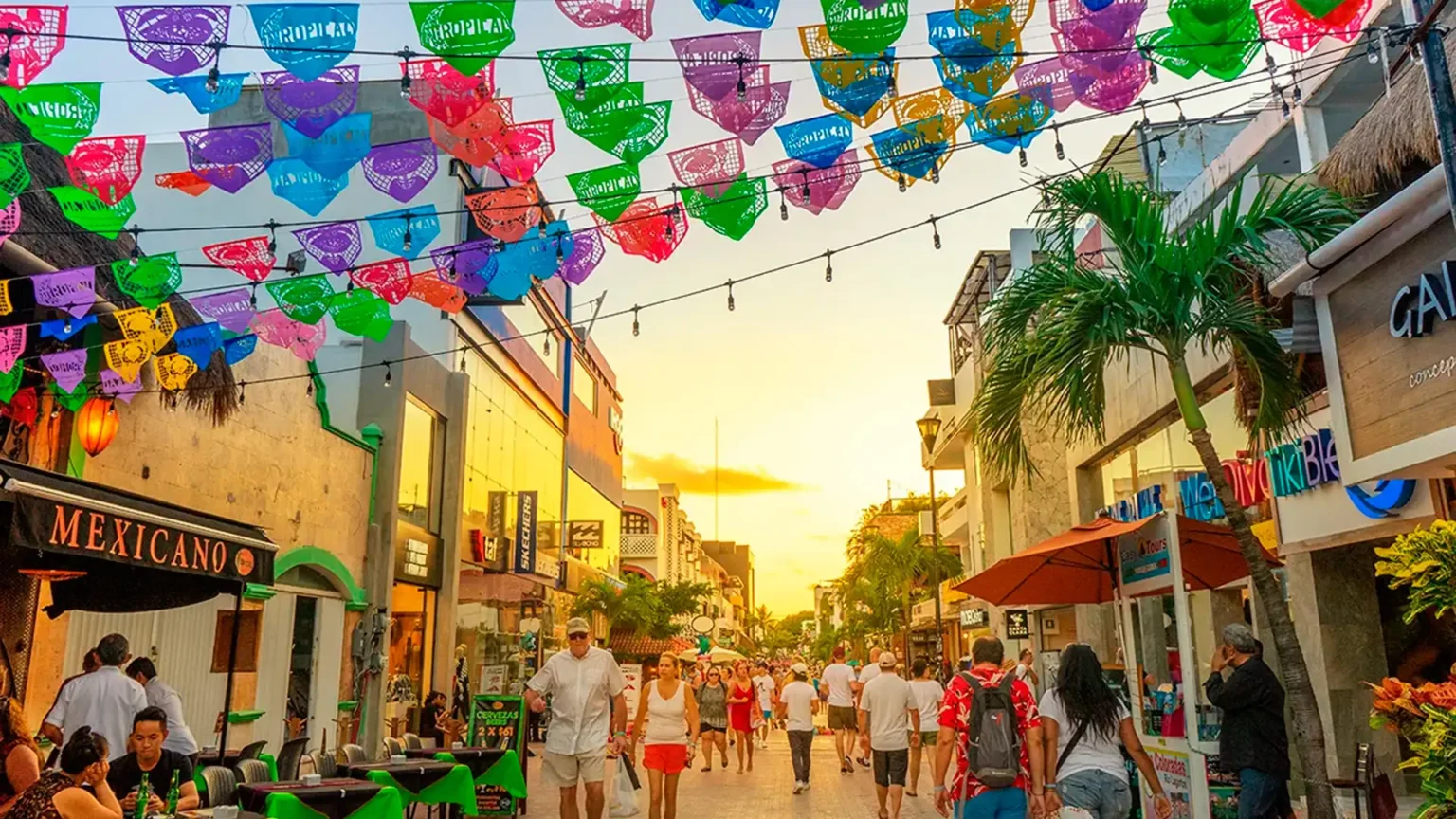
Playa del Carmen
A busy Caribbean city with beach access and Cancún airport connections, alongside tourism pressure, humidity, construction, and seasonal weather risks.
Read the full guide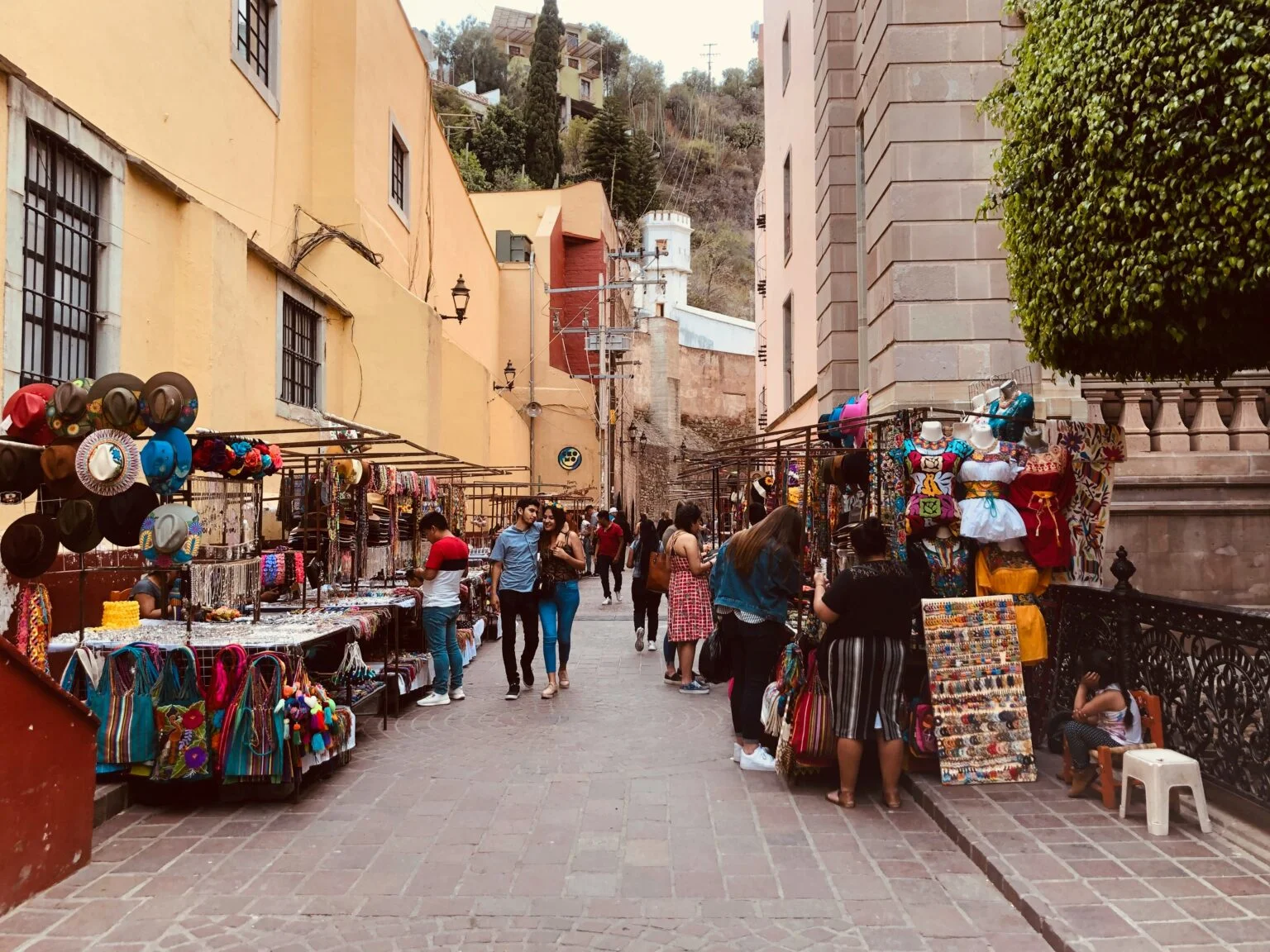
Guanajuato
A colourful university city with steep streets, stairs, limited accessibility in some areas, and a lower-key international community.
Read the full guide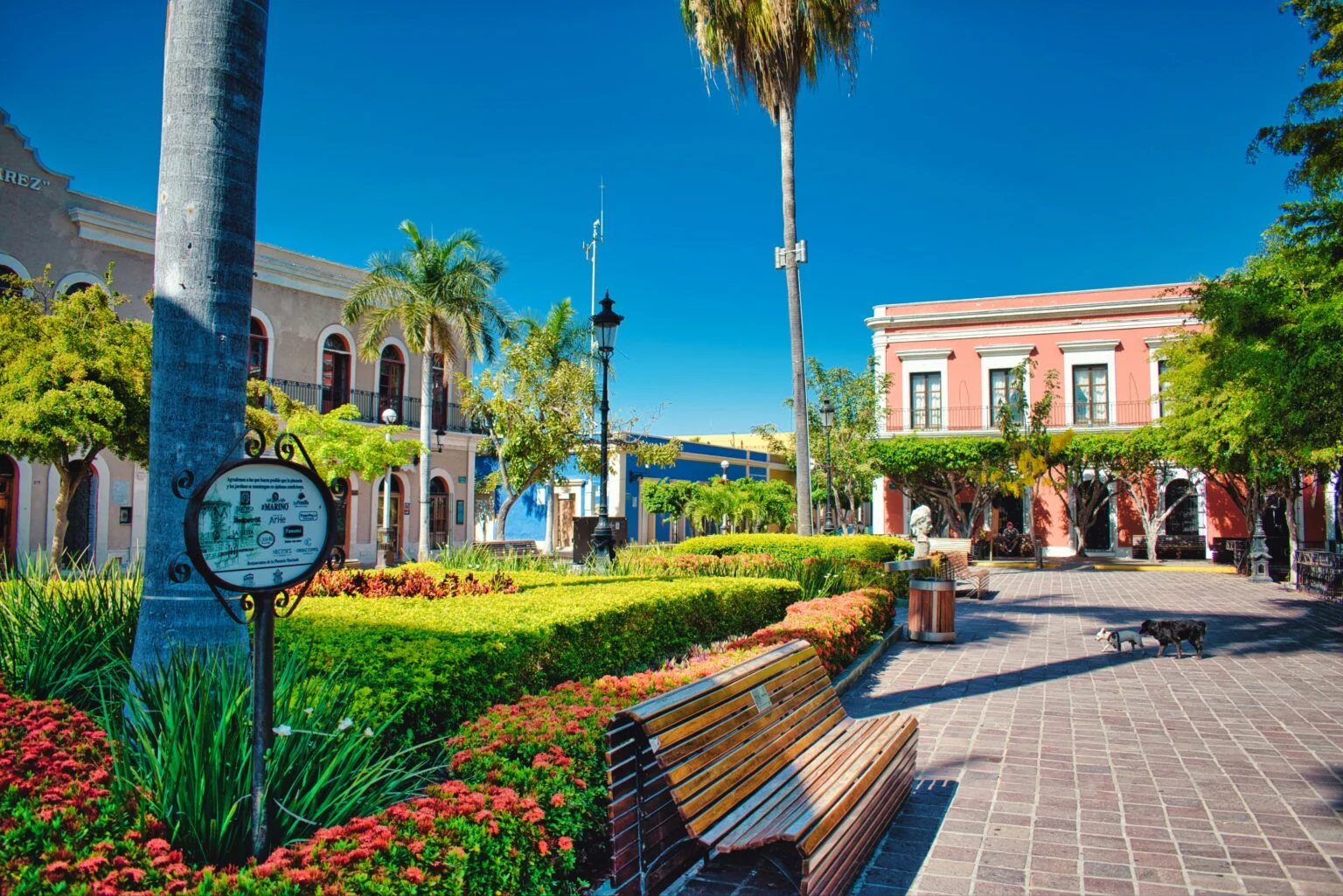
Mazatlán
A Pacific port city with a long malecón and potentially lower costs than some resort markets, balanced against heat, humidity, and neighbourhood-level differences.
Read the full guide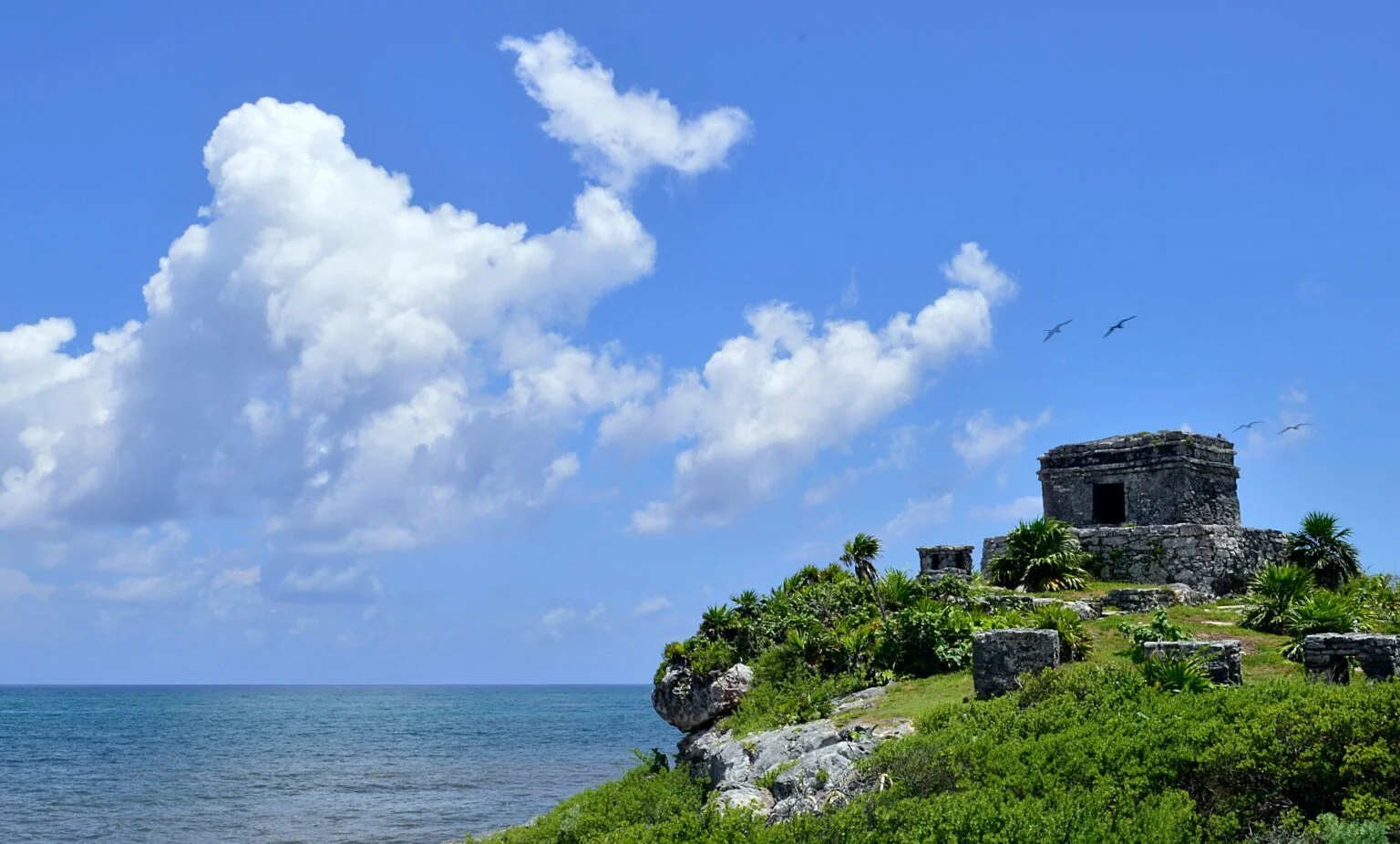
Tulum
A fast-changing Caribbean destination with beaches and wellness businesses, but high housing costs, infrastructure gaps, and heavy tourism.
Read the full guide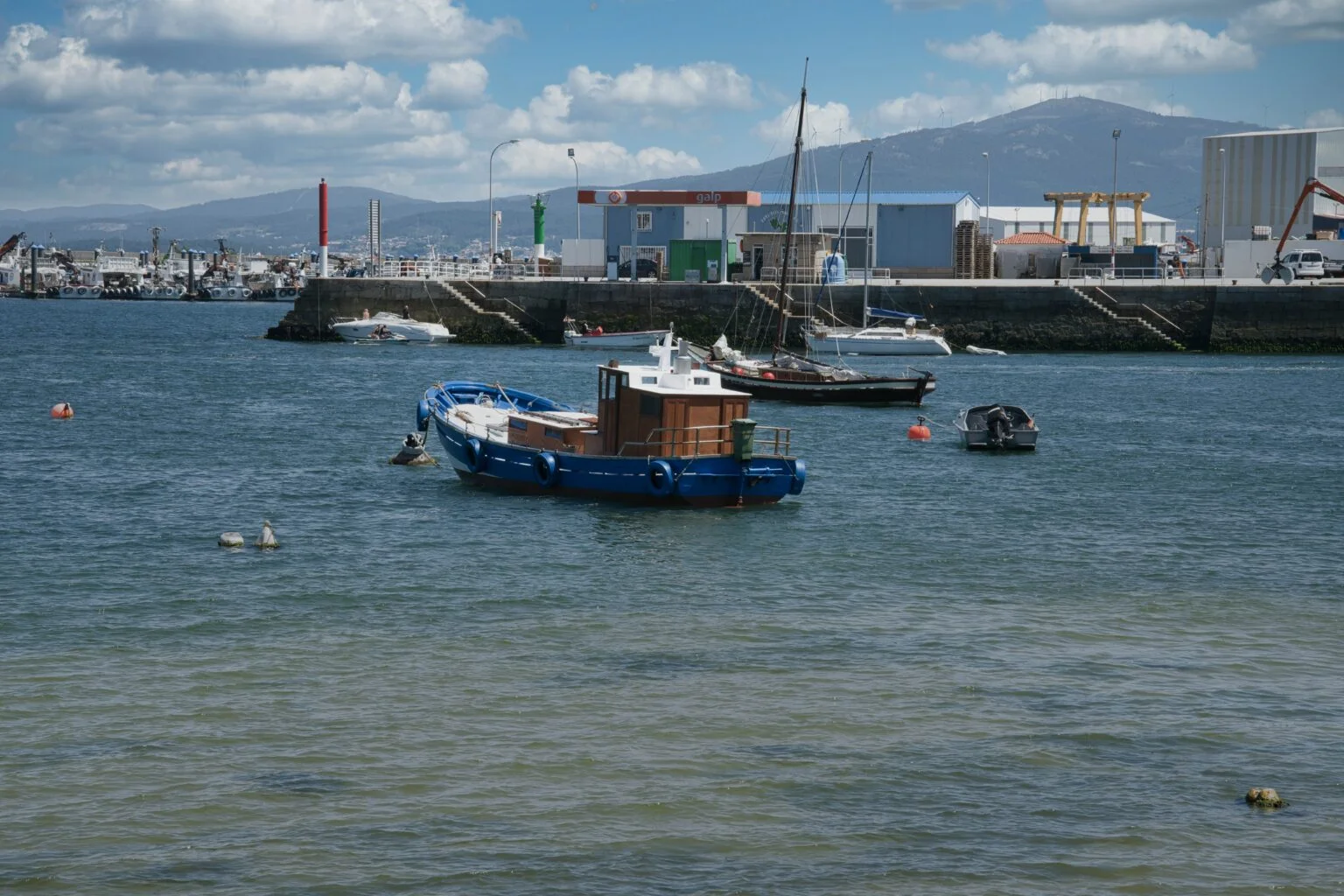
Ensenada
A Baja coastal city with border access and a milder climate, where car dependence and cross-border healthcare planning may matter.
Read the full guide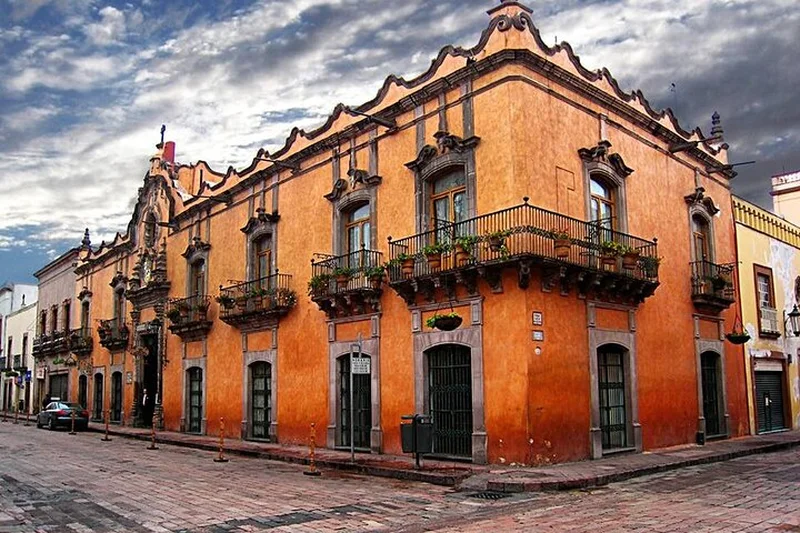
Querétaro
A fast-growing central Mexican city with modern services and employment opportunities, along with traffic and expanding suburban development.
Read the full guide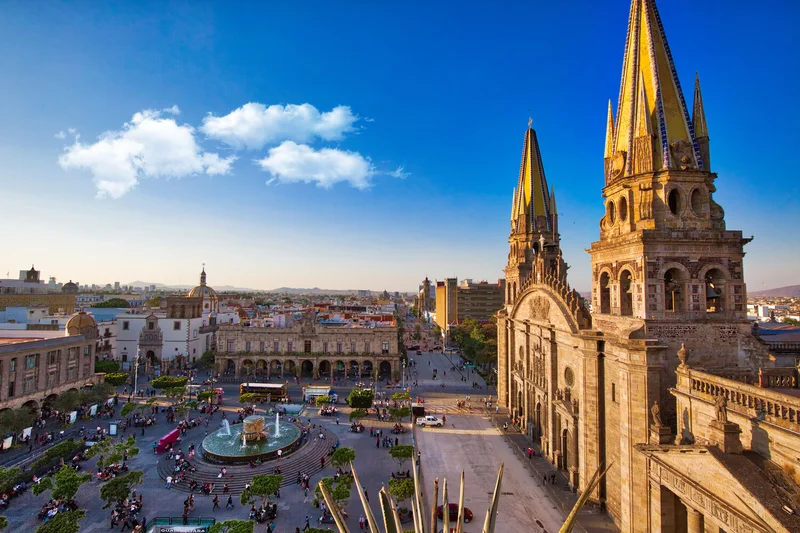
Guadalajara
A large metropolitan area with deep healthcare, education, and cultural resources, balanced against traffic, air quality, and neighbourhood-level variation.
Read the full guide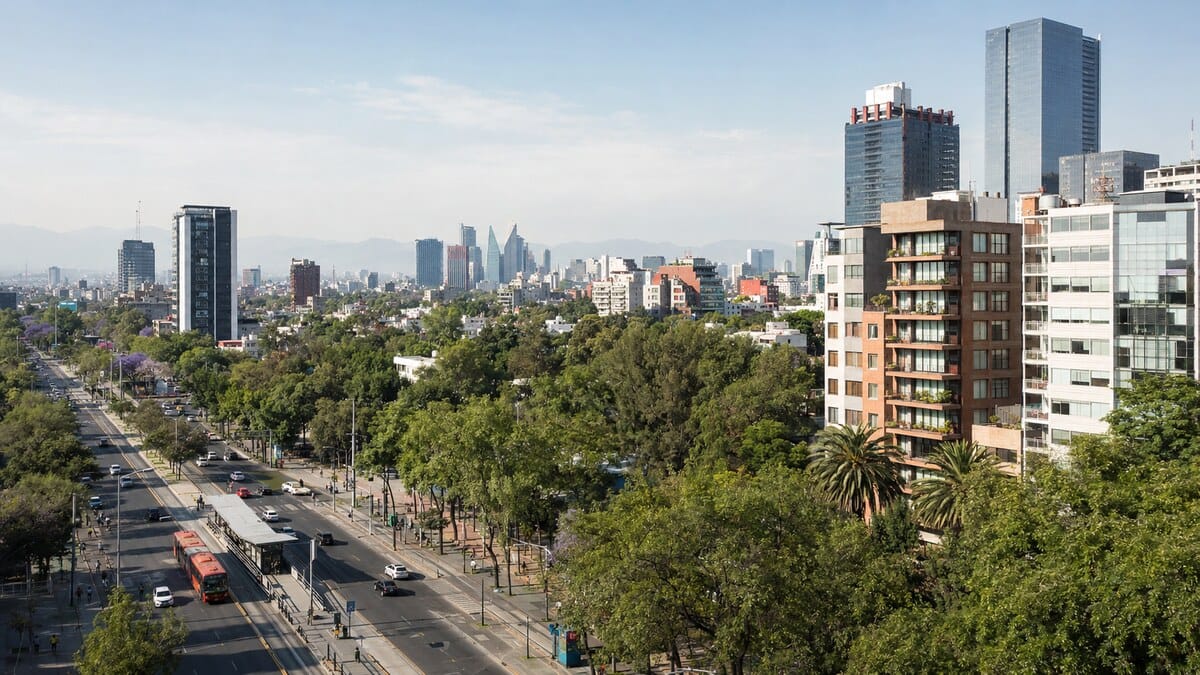
Mexico City
A large, complex capital with varied neighborhoods, major cultural institutions, extensive public transportation and important trade-offs to verify before choosing a home.
Read the full guideExplore Baja California Sur
Compare two different bases with our full destination guides:
- Living in Los Cabos: compare San José del Cabo, Cabo San Lucas and the corridor, including housing, transport, costs and healthcare.
- Living in La Paz: investigate the waterfront and residential routines, utilities, airport travel and a practical scouting plan.
For changing local information, visit Los Cabos Now or La Paz Now. Check individual update dates and confirm arrangements with the original source.
Find healthcare contacts by city
Use these MexPat Now directories to start checking local hospital, dental and laboratory contacts. Confirm services and appointment details directly; inclusion is not an endorsement.
How to Narrow Your Shortlist
- Start with non-negotiables: climate, healthcare access, airport connections, walkability, housing budget, and proximity to family.
- Compare neighbourhoods, not only cities: daily experience can change sharply within the same destination.
- Check seasonal conditions: heat, humidity, rain, crowds, air quality, and rental prices may be very different across the year.
- Rent before buying: a longer trial stay helps reveal noise, transportation, utilities, healthcare access, and community fit.
- Verify current conditions: prices, safety patterns, construction, services, and local rules change over time.
Destination Comparison Lens
Compare destinations by the routines you will repeat every week, not just the photos that attracted you first.
- Healthcare and pharmacy access.
- Housing supply, lease terms, noise, and mobility.
- Airport access, climate tolerance, social fit, and emergency planning.
Continue Your Mexico Planning
Compare your two finalists
Keep observations, sources and dates with each entry. Build a separate Mexico move budget for each finalist, download each scenario, then copy the monthly spending, first-year spending, separate reserve and currency into the budget boxes below.
See a fictional comparison
A: “Walked the grocery route on 23 September: 12 minutes; two steep blocks.” B: “Map estimate: 8 minutes; crossings and shade still unknown.” These are different kinds of evidence. Next step: walk B’s route before deciding; do not label it easier from the map alone.
Your comparison and next step
Clear the entries and saved comparison on this device?
Notes stay in this browser when saved. Do not enter private medical, financial or identity details.
For a worked coastal comparison, read Puerto Vallarta versus Mazatlan. Once the trade-offs are clear, use your saved relocation checklist. Explore current local information in MexPat Now.
Published