
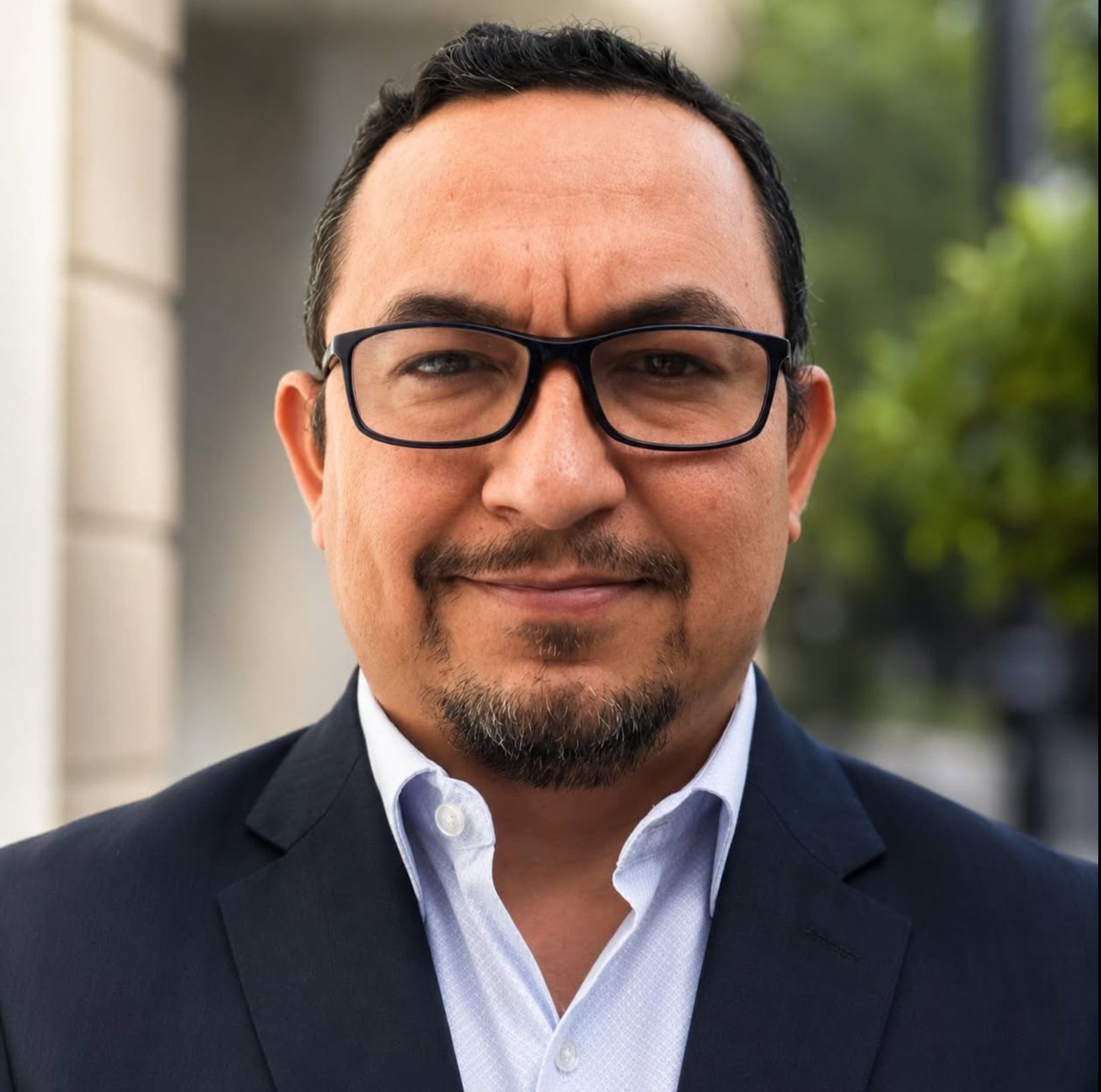
A conversation with Fran Poblanno, attorney and community administrator.
Social-media groups can help newcomers identify the questions they need to ask. Fran Poblanno, a Mexican attorney and administrator of EXPATS living in Mexico useful information, explains why an individual experience should lead to verification before a decision about residency, property or a business.
Edited and translated from Spanish; reviewed and approved by Fran Poblanno. General information, not individual legal, tax or immigration advice.
1. Could you introduce yourself and tell us about your experience and your role in EXPATS living in Mexico useful information?
My name is Fran Poblanno. I am a Mexican attorney with experience in immigration law, foreign nationals’ matters, buying property in Mexico, cross-border legal issues, foreign investment, procedures before Mexican authorities, and legal guidance for foreign nationals who wish to live, work, invest, buy property, or regularize their status in Mexico.
In the group EXPATS living in Mexico useful information, my main role is to provide a space where foreign nationals who live in Mexico, or who are considering moving to Mexico, can share questions, experiences, and practical information. The goal is for the group to be useful, respectful, and focused on real solutions.
We see a wide variety of questions: temporary and permanent residency, work permits, importing vehicles, procedures before the National Immigration Institute, buying or renting property, opening bank accounts, tax matters, insurance, healthcare, cost of living, safety, relocation, and cultural adaptation. My intention is to help the community become better informed and, when a matter requires it, to understand that general opinions do not replace a professional review of their specific case.
2. What are the most common questions or misunderstandings among people considering settling in Mexico?
One of the most common questions is the difference between coming as a tourist and legally establishing oneself as a resident. Many people believe they can remain indefinitely by entering and leaving the country, but this can create immigration problems if the authority determines that the person is actually living in Mexico without the proper status.
There is also a lot of confusion about temporary residency and permanent residency: who can apply for each one, what financial solvency is required, whether the process must start at a consulate or inside Mexico, and what rights each status grants.
Another frequent question is whether a foreign national can work in Mexico. The answer depends on the person’s immigration status and the activity they intend to undertake. Before accepting work or starting an activity, they should confirm with the National Immigration Institute which authorization, registration or notification applies to their case.
In real estate matters, many people ask whether a foreigner can buy property in Mexico, especially near beaches or borders. In certain areas, a bank trust or an appropriate legal structure may be required.
Finally, there are important tax-related questions: whether living in Mexico means paying taxes, whether foreign income must be reported, how to open a bank account, how to obtain an RFC, and what obligations may arise when a person stays in the country for an extended period of time.
3. How do you recommend distinguishing between a personal experience shared in a group and a current official requirement?
A personal experience can be useful, but it should not automatically be treated as a general rule. In Mexico, procedures may vary depending on the office, the consulate, the type of application, nationality, immigration status, the applicant’s history, and the documents available.
My recommendation is to treat every social media comment as an initial reference, not as legal confirmation. It should then be verified against official sources: the National Immigration Institute, the Ministry of Foreign Affairs, Mexican consulates, the Tax Administration Service, customs authorities, the Federal Official Gazette, current laws, and applicable administrative guidelines.
The key question is: “Is this information supported by a current official source, or is it only one person’s experience in a specific case?” That distinction can prevent costly mistakes.
4. What basic checks should someone make before hiring a provider or advisor recommended on social media?
I consider there to be six basic rules, and the last two are, in my view, the most important.
First, verify the real identity of the person or company. There should be a full name, clear contact information, a website, an address, or a verifiable professional presence.
Second, if the person is an attorney or legal advisor in Mexico, it is advisable to request their professional license number and verify it in the National Registry of Professionals. It is not enough for someone to say they “know how to handle paperwork”; their professional capacity should be confirmed.
Third, check whether they provide a contract, receipts, invoices, or written proof of payment. A serious provider should clearly explain what service is being offered, what is included, what is not included, the cost, estimated timelines, and risks.
Fourth, be cautious of anyone who guarantees results. In immigration, tax, banking, or real estate matters, no serious advisor can guarantee approval one hundred percent of the time, because the final decision belongs to the authority.
Fifth, do not hand over sensitive documents or large payments without prior verification. Passports, immigration cards, powers of attorney, property deeds, bank statements, and tax information must be handled carefully.
And sixth, compare the information. If someone recommends a route that seems too easy, too fast, or outside normal procedures, it is better to stop and confirm before moving forward.
5. What signs indicate that it is necessary to consult directly with an authority or a qualified professional?
When there is a risk of losing money, losing immigration status, being fined, being refused entry at the border, having a bank account frozen, signing an important contract, or buying property, it is time to seek qualified advice.
This is especially important when a foreign national is considering buying property, investing in a business, or forming a company in Mexico. In those cases, it is not advisable to rely only on informal recommendations, social media posts, or promises made by intermediaries. The person should confirm the legality of the transaction, the identity of the parties, the status of the property in the Public Registry, tax obligations, required permits, and whether the investment is compatible with their immigration status.
It is also important when the person has previous immigration issues, frequent entries and exits, expired documents, a prior denial, overstay issues, unauthorized employment, tax questions, banking problems, divorce, custody of minors, inheritance matters, powers of attorney, or investments.
Another clear warning sign is when several people give contradictory answers. That usually means the case requires an individual review.
In general, if the consequence of a mistake can affect residency, assets, employment, business, family, or freedom of movement, it is not advisable to rely only on social media comments.
6. What main advice would you give to a newcomer to become well informed and avoid mistakes, and what reliable sources would you recommend?
My main advice would be: before taking action, confirm your specific legal situation. Mexico is a very open and attractive country to live in, but that does not mean every case is resolved in the same way. What worked for a neighbor, a friend, or someone on Facebook may not apply to you.
One especially important point for foreign nationals is not to underestimate matters involving investment, real estate purchases, or participation in businesses in Mexico. Many people arrive in good faith, find an attractive opportunity—a piece of land, a condominium, a partnership, a restaurant, a hotel, a real estate investment, or an operating business—and assume the process will be similar to that of their country of origin. However, in Mexico there are rules, notarial practices, registration requirements, tax obligations, banking criteria, municipal permits, restrictions for foreigners in certain areas, and corporate formalities that must be carefully reviewed.
Foreign nationals can be particularly vulnerable to fraud or misleading practices because they may not fully know the language, the legal framework, the timelines of the authorities, the actual role of the notary, the difference between possession and ownership, the importance of the Public Registry of Property, the use of bank trusts in restricted zones, tax obligations, permits required to operate a business, or the immigration implications of investing in or working in their own company.
For that reason, before handing over money, signing contracts, forming a company, buying shares, acquiring real estate, making deposits, or relying on a verbal promise, I recommend obtaining specialized legal advice. It is not only about reviewing documents; it is about understanding whether the transaction is legally viable, whether the seller is actually able to sell, whether the property is free of liens or encumbrances, whether the business has the necessary permits, whether there are tax or labor debts, whether the corporate structure is appropriate, and whether the investment is compatible with the foreign national’s immigration status.
Mexico offers great opportunities to live, invest, and start a business, but doing so without proper guidance can create unnecessary risks. Good preventive advice is usually much less expensive than trying to correct a fraud, a poorly structured purchase, a problematic partnership, or an investment that does not comply with applicable regulations.
I also recommend keeping an organized personal file: passport, entries and exits, FMM if applicable, resident card, proof of address, bank statements, RFC, CURP if already obtained, contracts, deeds, powers of attorney, and any communication with authorities.
As reliable sources, I recommend consulting directly:
- The National Immigration Institute, for immigration procedures within Mexico.
- The Ministry of Foreign Affairs and Mexican consulates, for visas, residency applications initiated abroad, and nationality matters.
- The Tax Administration Service, for tax matters, RFC, and tax obligations.
- Notaries public and Public Registries, for real estate and corporate transactions.
- Professionals with a valid license, proven experience, and clear documentation of their services.
The best strategy is to combine community with verification: groups help identify real-life problems, but the final decision should be based on official information and professional advice when the case requires it.
My general recommendation for any foreign national in Mexico is simple: before investing, buying, signing, or transferring money, seek professional advice. Not understanding the Mexican system can turn a good opportunity into a legal, tax, or financial problem.
About Fran Poblanno
Fran Poblanno is an attorney in immigration, foreign nationals’ matters, and Mexico–United States cross-border legal issues, and an administrator of EXPATS living in Mexico useful information.
Professional website · LinkedIn · EXPATS living in Mexico useful information
Useful next interviews
- Read the interview: From Residency Visa to Resident Card in Mexico: Planning Your CanjeBroader planning: Countrywide
- Read the interview: Your Mexican Residency Visa Is Approved: Avoiding Mistakes on Your First TripBroader planning: Countrywide

About the Author
Ken Gardner develops and curates MexPat Guide from Vancouver, Canada. He focuses on Mexico relocation research and practical comparison questions. This is educational planning information, not a claim of local residence or individual immigration advice.
Published