
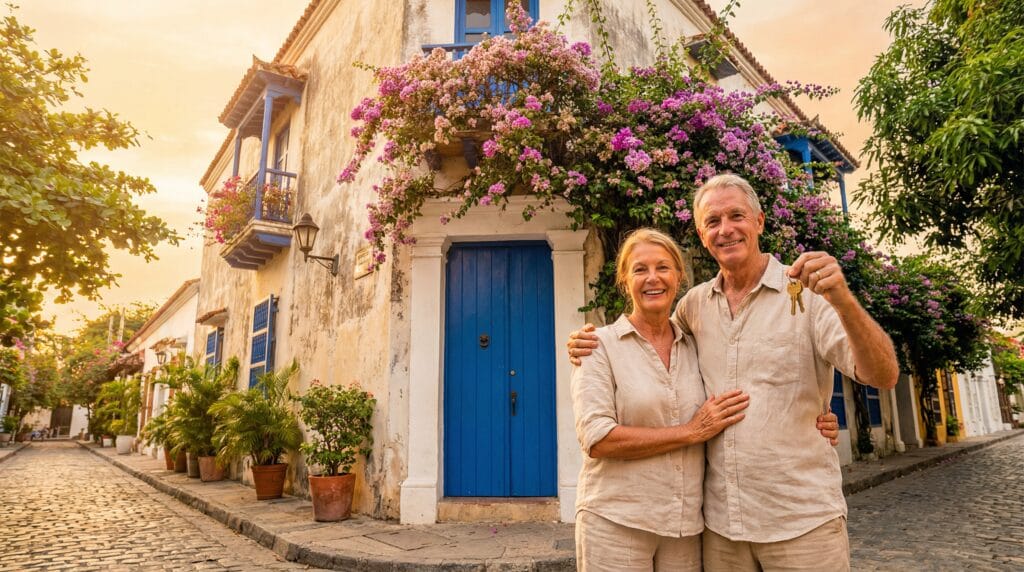
Moving to Mexico from Canada
TL;DR
Moving to Mexico from Canada in 2026 requires careful planning across several key areas. This guide provides a comprehensive checklist to ensure a smooth transition, covering residency, financial planning, healthcare options, and practical moving logistics. Prepare for your new life with confidence and clarity.
What You Need to Know Before Moving to Mexico
Relocating to Mexico from Canada offers an exciting new chapter, but it also involves navigating a series of administrative and logistical challenges. This guide is designed to simplify the process, providing a detailed checklist and essential information to help you prepare for a successful move in 2026. From understanding visa requirements to managing your finances and healthcare, we’ll cover everything you need to know for a seamless transition into your new life in Mexico.
1. Residency and Visas: Securing Your Legal Stay
Obtaining the correct residency status is the foundational step for any Canadian looking to move to Mexico. The process begins at a Mexican consulate in Canada and requires careful attention to detail.
1.1 Determining Your Visa Type
Mexico offers several residency options, primarily the Temporary Resident Visa and the Permanent Resident Visa. Your choice will depend on your long-term intentions and financial situation.
- Temporary Resident Visa: Typically issued for stays longer than 180 days and up to four years. This is suitable for individuals who plan to live in Mexico for a defined period, such as retirees, students, or those working temporarily. It can often be renewed.
- Permanent Resident Visa: Granted to individuals who intend to live in Mexico indefinitely. This option usually requires demonstrating significant financial solvency or having close family ties in Mexico.
1.2 Required Documentation and Application Process
The specific documents required can vary slightly by consulate, but generally include:
- A valid Canadian passport with at least six months of validity remaining.
- Proof of financial solvency, which can include bank statements, investment portfolios, or pension statements, demonstrating consistent income or savings above a specified threshold.
- A visa application form, completed and signed.
- Passport-sized photographs.
- A letter explaining your reasons for moving to Mexico.
- Any additional documents requested by the consulate, such as marriage certificates or birth certificates if applying based on family ties.
Actionable Tip: Always check the specific requirements of the Mexican consulate where you plan to apply, as they can have unique stipulations. Schedule your appointment well in advance, as wait times can be lengthy.
2. Financial Planning for Your Mexican Move
Managing your finances across two countries requires foresight and organization to avoid disruptions and ensure compliance with tax regulations.
2.1 Managing Canadian Bank Accounts and Opening Mexican
Before you leave Canada, it’s crucial to inform your Canadian banks of your move. This prevents your accounts from being frozen due to unusual international activity. Discuss options for accessing funds internationally and any fees associated with foreign transactions.
Upon arrival in Mexico, opening a local bank account will significantly simplify your daily financial life. This allows for easier payment of local bills, receiving income, and managing expenses without incurring foreign transaction fees.
2.2 Understanding Cross-Border Tax Implications
Moving to Mexico has significant tax implications in both Canada and Mexico. It is highly recommended to consult with a tax professional specializing in international taxation.
- Canadian Tax Residency: Understand how your move affects your Canadian tax residency status. You may still have Canadian tax obligations even after moving.
- Mexican Tax Residency: Familiarize yourself with Mexico’s tax system, including income tax, VAT (IVA), and property taxes. As a resident, you will likely be subject to Mexican tax laws.
Actionable Tip: Seek advice from a professional who understands both Canadian and Mexican tax laws to optimize your financial structure and ensure full compliance.
3. Healthcare in Mexico: Options for Canadian Expats
Access to quality healthcare is a primary concern for many expats. Mexico offers a range of options, from public systems to private insurance.
3.1 Navigating Public vs. Private Healthcare
- Public Healthcare (IMSS): The Mexican Institute of Social Security (IMSS) is the public healthcare system. If you are employed in Mexico, your employer will contribute to IMSS. Expats can also voluntarily enroll in IMSS, often after a waiting period. While affordable, it may involve longer wait times and less access to specialists.
- Private Health Insurance: Many expats opt for private health insurance, either international plans or local Mexican policies. Private insurance offers greater flexibility, shorter wait times, and access to private hospitals and specialists. Consider your health needs and budget when choosing a plan.
3.2 Preparing Your Medical Records
Before your move, gather comprehensive copies of your medical records, including vaccination history, prescriptions, and any chronic conditions. Translate key documents into Spanish if possible, or at least have them readily available for new doctors.
Actionable Tip: Research doctors and clinics in your chosen Mexican city before you move. Online expat forums and social media groups can be excellent resources for recommendations.
4. The Logistics of Moving Your Life to Mexico
The physical act of moving your belongings and pets requires meticulous planning to ensure everything arrives safely and legally.
4.1 Decluttering and Downsizing
Moving internationally is an ideal opportunity to declutter and downsize. Shipping costs can be substantial, so evaluate what you truly need and what can be purchased new in Mexico. Consider selling or donating items that won’t make the cut.
4.2 Hiring an International Moving Company
If you plan to bring furniture and significant household goods, engaging a reputable international moving company is essential. Look for companies with experience in Canada-Mexico routes, and ensure they handle customs clearance for both countries. Obtain multiple quotes and check references.
4.3 Arranging for Pet Transportation
Bringing pets to Mexico involves specific regulations and paperwork. You will need:
- A health certificate issued by a licensed veterinarian within a specific timeframe before travel.
- Proof of up-to-date vaccinations, especially rabies.
- Microchip identification.
- An import permit, if required.
Actionable Tip: Start the pet transportation process early, as veterinary appointments, paperwork, and flight arrangements can take several weeks or months.
Frequently Asked Questions About Living in Mexico
Q: How much money do I need to move to Mexico? A: The financial requirements vary based on the type of residency visa you apply for and your intended lifestyle. Mexican consulates publish the minimum financial solvency requirements, which are typically based on monthly income or average bank balances. Beyond that, your living expenses will depend on your chosen city and personal spending habits.
Q: Can I work in Mexico on a resident visa? A: A Temporary or Permanent Resident Visa generally allows you to live in Mexico, but it does not automatically grant you the right to work. If you plan to be employed by a Mexican company, you will need a work permit, which is often sponsored by your employer and requires additional steps in the visa process.
Q: Is it safe to live in Mexico? A: Like any country, safety in Mexico can vary significantly by region and city. Many expat communities in Mexico are very safe.
It is crucial to research your intended destination thoroughly, understand local dynamics, and take standard precautions. Consulting expat forums and local residents can provide valuable insights.
Q: Do I need to speak Spanish to live in Mexico? A: While many tourist areas and expat communities have English speakers, learning Spanish will significantly enhance your experience and integration into Mexican culture. Basic Spanish is often sufficient for daily interactions, and many resources are available to help you learn.
Deep Dive AI Prompts
Here are some prompts you can use with your favorite AI tool to further explore aspects of moving to Mexico:
- “Generate a detailed checklist for preparing my Canadian home for a long-term move to Mexico, including utilities, mail forwarding, and property management.”
- “Compare the cost of living in [Specific Mexican City, e.g., San Miguel de Allende] versus [Specific Canadian City, e.g., Vancouver] for a retired couple, focusing on housing, groceries, and healthcare.”
- “Outline the process for importing a car from Canada to Mexico, including necessary documents, taxes, and restrictions for temporary and permanent residents.”
- “Create a sample budget for the first three months of living in Mexico as an expat, assuming a moderate lifestyle and including initial setup costs.”
Frequently Asked Questions About Living in Mexico
What type of visa do I need to live in Mexico as a Canadian?
Canadians moving to Mexico typically apply for a Temporary Resident Visa, which is valid for up to one year and can be renewed annually for up to four years. After this period, you may apply for permanent residency. It’s important to provide proof of income or savings to meet the financial requirements during your visa application.
How can I access healthcare in Mexico as an expat?
Mexico offers both public and private healthcare options. Many expats choose private healthcare for shorter wait times and English-speaking doctors, but public healthcare (IMSS) is affordable and accessible with residency. It’s advisable to purchase private health insurance to cover services and medications not included in public options.
Is it necessary to learn Spanish before moving to Mexico?
While it’s not mandatory, learning basic Spanish is highly recommended to ease daily interactions and integrate into the community. Many Mexicans in popular expat areas speak some English, but knowing Spanish will help with government procedures, shopping, and making local friends. Consider taking language classes before and after your move for a smoother transition.
What are the best places in Mexico for Canadian expats to
Popular destinations for Canadian expats include Puerto Vallarta, Lake Chapala, San Miguel de Allende, and Mexico City due to their amenities, safety, and established expat communities. Each location offers a different lifestyle, so consider factors like climate, cost of living, and proximity to healthcare when choosing your destination. Visiting beforehand can help you find the best fit for your needs.
Frequently Asked Questions About Living in Mexico
Do I need a visa to move to Mexico from Canada?
Canadian citizens do not need a visa for tourist stays of up to 180 days in Mexico. However, for long-term relocation, you will need to apply for a Temporary Resident Visa or Permanent Resident Visa, depending on your plans and income. It’s best to start this process at the Mexican consulate in Canada before moving.
How can I transfer my Canadian pension or retirement funds
You can continue receiving your Canadian pension in Mexico, but it’s important to check with your pension provider about international payments and any tax implications. Consider consulting a financial advisor familiar with cross-border finances to optimize your retirement income and avoid double taxation.
Is healthcare in Mexico accessible for Canadian expats?
Mexico offers both public and private healthcare options. Many Canadian expats choose private healthcare due to shorter wait times and English-speaking doctors. It’s advisable to purchase private health insurance to cover medical expenses while living in Mexico.
What are the best Mexican cities for Canadian expats to
Popular cities for Canadian expats include Puerto Vallarta, San Miguel de Allende, Guadalajara, and Mexico City due to their amenities, expat communities, and quality of life. Your choice depends on your lifestyle preferences, climate, and budget, so visiting potential cities before relocating is recommended.
References & Further Reading
Ready to take the next step? Contact MexPat Guide for personalised guidance on relocating to Mexico.

About the Author
Ken Gardner is the founder of Mexpat Guide. He writes practical, experience-based guides for Canadians and Americans relocating to or retiring in Mexico.