
TL;DR
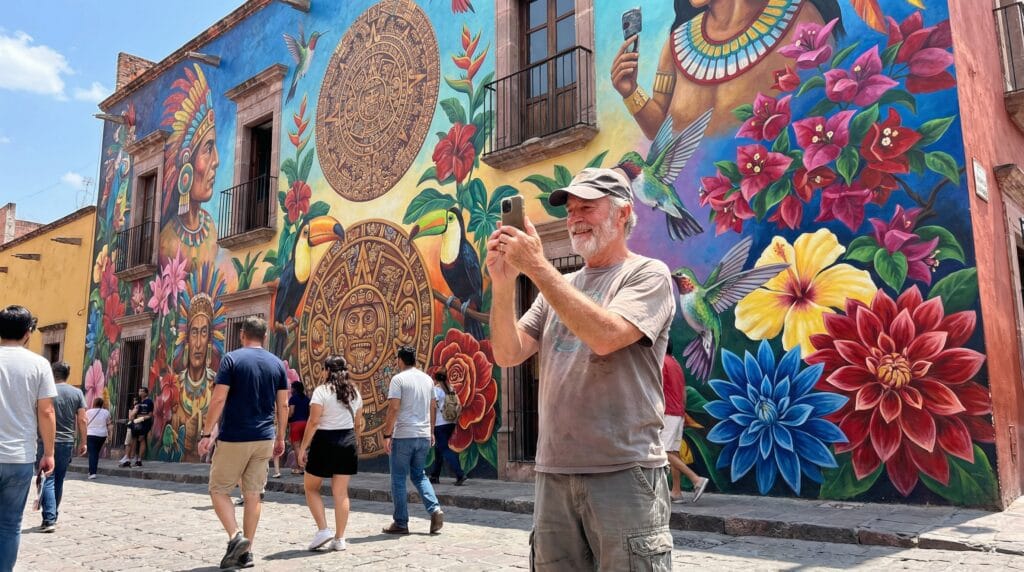
- Mexican art reflects thousands of years of history, from ancient civilizations to modern murals and street art.
- It’s one of the fastest ways for expats to understand Mexico—including culture, identity, religion, and daily life.
- You can experience it everywhere: museums, markets, murals, festivals, and public spaces.
- Approach art with curiosity and respect, especially when buying from artisans or visiting culturally significant places.
Why Mexican Art Matters for Expats
Mexican art is not just found in museums—it’s part of everyday life. You’ll see it in churches, plazas, homes, markets, festivals, and public walls. For expats, understanding art is one of the easiest ways to understand Mexico itself.
Art in Mexico reflects history, religion, regional identity, and social change. It connects ancient traditions with modern life in a way that is visible almost everywhere you go.
Ancient Roots: Pre-Columbian Art
Long before Spanish colonization, Indigenous civilizations created sophisticated art tied to religion, astronomy, agriculture, and community life.
Today, you can still see these influences in:
- Archaeological sites
- Museum collections
- Regional crafts and patterns
- Symbols used in modern design
These works were not just decorative—they told stories about gods, seasons, leadership, and the natural world.
Colonial Art: A Blend of Cultures
The colonial period introduced European artistic styles, but Mexican art evolved into something unique through Indigenous influence and local materials.
You’ll see this blend most clearly in:
- Churches and cathedrals
- Altarpieces and carvings
- Colonial architecture
- Religious paintings and frescoes
In many colonial towns, art, religion, and architecture are deeply connected and still shape the visual identity of the city.
Modern Mexican Art: Identity and Revolution
Modern Mexican art is closely tied to national identity and political history.
Famous muralists like Diego Rivera, José Clemente Orozco, and David Alfaro Siqueiros used large public works to explore themes such as labor, inequality, and Indigenous heritage.
Frida Kahlo brought a more personal and symbolic approach, exploring identity, culture, and self-expression. Her work remains one of the most recognizable entry points into Mexican art.
Street Art and Murals Today
Street art continues Mexico’s tradition of using public space as a canvas.
- Decorative murals
- Political messages
- Local storytelling
- Community identity projects
You’ll find street art in cities like Mexico City, Guadalajara, Oaxaca, and Mérida. Exploring murals can be as simple as walking through neighborhoods—or joining a local art tour for deeper context.
Where to Experience Mexican Art
- Museums: Mexico City, Oaxaca, Guadalajara, Puebla, Mérida, and San Miguel de Allende
- Artisan markets: textiles, pottery, wood carving, silverwork, masks, and folk art
- Public murals: free and accessible in many cities
- Workshops: painting, pottery, weaving, printmaking
- Festivals: art often appears alongside Mexican holidays and traditions
Buying Mexican Art Respectfully
If you buy art in Mexico, try to support local artisans directly.
- Ask who made the item
- Look for handmade vs mass-produced goods
- Buy from cooperatives or reputable galleries when possible
- Negotiate respectfully in markets
This helps ensure your money supports the people who created the work and preserves traditional crafts.
FAQ — Mexican Art
Where should I start as a newcomer?
Museums, public murals, churches, and artisan markets are the easiest entry points.
Is Mexican art historical or modern?
Both. Mexico has deep ancient traditions and a strong contemporary art scene.
Can expats take art classes?
Yes—many cities offer workshops in painting, pottery, weaving, and more.
How can I support local artists?
Buy directly from artisans or reputable sellers, and respect the cultural value of their work.
Bottom Line
Mexican art is one of the most accessible ways to understand the country. By exploring it with curiosity and respect, you’ll gain a deeper connection to Mexico’s history, culture, and everyday life.
Planning Your Move to Mexico?
Join 3,000+ expats using MexPat Guide. Get the free Mexico Relocation Checklist covering visas, banking, healthcare, and where to live.

About the Author
Ken Gardner is the founder of Mexpat Guide. He writes practical, experience-based guides for Canadians and Americans relocating to or retiring in Mexico.