
TL;DR
Mexico is a country rich in history and vibrant traditions, offering new expats a unique cultural experience. This guide provides an overview of key Mexican holidays, helping you understand and appreciate the local customs and celebrations.
Introduction: Embracing Mexico’s Cultural Heartbeat
One of the most rewarding aspects of living in Mexico is the opportunity to immerse yourself in its rich and dynamic culture. For new expats, understanding and participating in local holidays and traditions is a fantastic way to connect with the community and deepen your appreciation for your new home. This guide will introduce you to some of Mexico’s most significant celebrations, offering insights into their history, customs, and how you can respectfully join in.
Dia de los Muertos: Honoring Ancestors with Vibrant
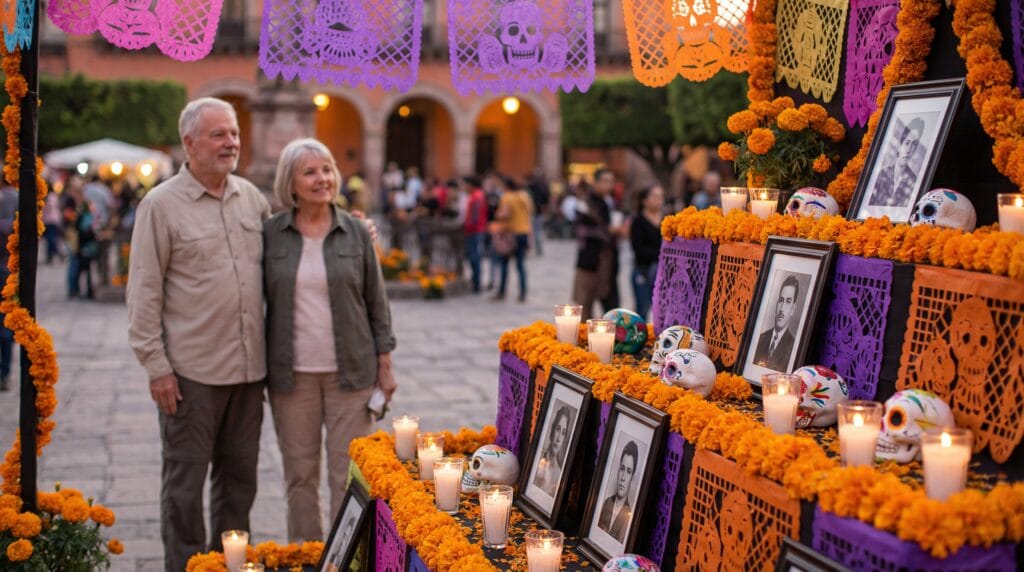
Dia de los Muertos, or Day of the Dead, is a profound two-day holiday celebrated on November 1st and 2nd. Far from a somber occasion, it is a joyful time when families remember and honor their deceased loved ones. The belief is that the spirits of the dead return to visit their families.
Homes and cemeteries come alive with ofrendas (altars) adorned with photographs, marigolds (cempasúchil), candles, sugar skulls, and the favorite foods and drinks of the departed. Its a beautiful demonstration of the enduring bond between the living and the dead.
How Expats Can Participate in Dia de los Muertos
- Visit a local market: Observe the special decorations and foods sold for the holiday.
- Explore public altars: Many cities set up elaborate public altars that are open for viewing.
- Attend a parade: Some cities host vibrant parades with participants dressed as Catrinas.
- Learn about the symbolism: Understand that it’s a celebration of life and memory, not a morbid event.
Las Posadas: A Journey of Community and Celebration
Las Posadas is a cherished nine-day celebration leading up to Christmas, observed from December 16th to 24th. It reenacts the biblical journey of Mary and Joseph seeking shelter in Bethlehem. Each evening, a procession of neighbors, often including children dressed as angels or shepherds, goes from house to house, singing traditional songs and asking for lodging.
They are symbolically turned away until they reach a designated home where they are welcomed with a festive party, complete with piñatas, food, and carols. This tradition beautifully highlights Mexican hospitality and community spirit.
Experiencing Las Posadas as a Newcomer
- Accept invitations: If invited, embrace the opportunity to join a procession or party.
- Observe the rituals: Pay attention to the songs and the symbolic knocking at doors.
- Enjoy the festive atmosphere: Las Posadas is a time for joy, togetherness, and delicious seasonal treats.
Dia de la Independencia: The Spirit of Mexican Freedom
Dia de la Independencia, Mexico’s Independence Day, is a patriotic celebration held annually on September 16th. It commemorates the pivotal moment in 1810 when Miguel Hidalgo y Costilla issued the “Grito de Dolores,” a call to arms that ignited the Mexican War of Independence from Spanish rule. The festivities begin on the evening of September 15th with the Grito ceremony, led by the President from the National Palace and by local mayors across the country. The next day, parades, fireworks, traditional music, and vibrant fiestas fill the streets, showcasing immense national pride.
Celebrating Independence Day as an Expat
- Attend the Grito: Join locals in a main plaza to witness the reenactment and shout “¡Viva México!”
- Wear patriotic colors: Dress in red, white, and green to show your spirit.
- Enjoy traditional food: Indulge in classic Mexican dishes prepared for the occasion.
Beyond the Big Three: Other Notable Mexican Celebrations
While Dia de los Muertos, Las Posadas, and Dia de la Independencia are prominent, Mexico boasts a calendar full of other significant holidays and regional festivals. These include:
- Día de la Candelaria (Candlemas – February 2nd): Often involves tamales and dressing up figures of the baby Jesus.
- Semana Santa (Holy Week – movable date in spring): A period of religious observance, often a popular time for domestic travel.
- Día de la Revolución (Revolution Day – November 20th): Commemorates the start of the Mexican Revolution with parades and civic ceremonies.
- Día de Reyes (Three Kings’ Day – January 6th): Children receive gifts, and families share the Rosca de Reyes (King’s Cake).
Each of these offers a unique glimpse into the diverse cultural fabric of Mexico.
Integrating into Local Festivities: Tips for Expats
Participating in Mexican holidays is a wonderful way to feel more at home. Here are some tips:
- Be respectful: Observe local customs and traditions with an open mind.
- Ask questions: Locals are often happy to explain the significance of their celebrations.
- Learn basic Spanish phrases: Even a few words can enhance your experience and interactions.
- Support local businesses: Purchase traditional crafts, foods, and decorations.
- Embrace the joy: Mexican celebrations are often lively and communal; join in with enthusiasm.
Frequently Asked Questions About Mexican Holidays
- Q: What is the most important holiday in Mexico?
- A: While many holidays are significant, Dia de los Muertos is arguably one of the most culturally unique and widely celebrated, deeply rooted in indigenous traditions.
- Q: Are Mexican holidays always religious?
- A: Many Mexican holidays have religious origins, particularly Catholic ones, but some are civic or blend religious and indigenous traditions, like Dia de los Muertos.
- Q: How can I find out about local celebrations in my area?
- A: Check local municipal websites, ask neighbors or local friends, or look for posters in town squares. Local tourism offices are also a great resource.
- Q: Is it appropriate for expats to participate in all Mexican holidays?
- A: Generally, yes, with respect and an understanding of the holiday’s meaning. Public celebrations are usually open to everyone, but private family gatherings should only be joined if invited.
Deep Dive AI Prompts
Use these prompts with ChatGPT or your favorite AI tool to explore this topic further:
- “What are the key Mexican holidays that new expats should know about, and how are they typically celebrated in local communities?”
- “Explain the cultural significance and traditional customs of Día de los Muertos, including common activities and etiquette for foreigners.”
- “Create a month-by-month calendar of important Mexican holidays and festivals with suggestions on how expats can get involved or participate respectfully.”
- Act as a cultural integration coach specializing in Mexico and provide practical tips for new expats on how to respectfully participate in Mexican holiday celebrations, including advice on appropriate attire, gift-giving, and etiquette to help build positive relationships with local neighbors and communities.
- Act as a cultural integration coach and provide practical tips for new expats on how to respectfully participate in Mexican holidays and traditions, including appropriate etiquette, common phrases to use, and ways to engage with local communities during celebrations.
Frequently Asked Questions
What are some important Mexican holidays that expats should
Key Mexican holidays include Día de los Muertos (Day of the Dead) on November 1-2, Independence Day on September 16, and Las Posadas in December. These holidays are rich in cultural traditions and often involve community gatherings, parades, and special foods, so participating can be a great way to connect with locals.
Are there any special customs or etiquette I should follow
Yes, showing respect for local customs is important. For example, during Día de los Muertos, it’s customary to honor deceased loved ones with altars and offerings. When invited to celebrations, it’s polite to bring a small gift or contribute food. Also, be mindful of punctuality, as some events may start later than scheduled.
How do Mexican holidays affect business hours and public
Many businesses and government offices close or operate on reduced hours during major holidays like Independence Day and Christmas. It’s advisable to plan ahead for banking, medical appointments, or administrative tasks around these dates. Local markets and shops may remain open, but hours can be irregular.
Can expats participate in Mexican holiday traditions and
Absolutely! Expats are often welcomed to join in festivities such as parades, public dances, and communal meals. Engaging in these traditions is a wonderful way to immerse yourself in Mexican culture and build relationships with your community. Just be respectful and open to learning about the significance behind each event.
Frequently Asked Questions
What are the most important Mexican holidays I should know
Some key Mexican holidays include Día de los Muertos (Day of the Dead) on November 1-2, Independence Day on September 16, and Las Posadas in December. These holidays are deeply cultural and widely celebrated, offering great opportunities to engage with local traditions and communities.
Are Mexican holidays public holidays where businesses are
Yes, many Mexican holidays are official public holidays, meaning most government offices, banks, and schools will be closed. However, some businesses and tourist areas may remain open, so it’s good to check locally, especially if you need services on those days.
How can I respectfully participate in Mexican holiday
As an expat, you can respectfully participate by attending public celebrations, trying traditional foods, and learning about the cultural significance of the holiday. Always observe local customs, ask permission before taking photos during ceremonies, and be open to learning from locals.
Are there any holidays that affect daily life or travel
Yes, holidays like Semana Santa (Holy Week) and Día de los Muertos can cause increased travel and crowded public spaces. It’s wise to plan ahead, as transportation and accommodations may be busier and more expensive during these peak times.
Sources & Further Reading
- Numbeo: Cost of Living Mexico
- International Living: Mexico Cost of Living
- INEGI: Mexico Economic Data

About the Author
Ken Gardner is the founder of Mexpat Guide. He writes practical, experience-based guides for Canadians and Americans relocating to or retiring in Mexico.