
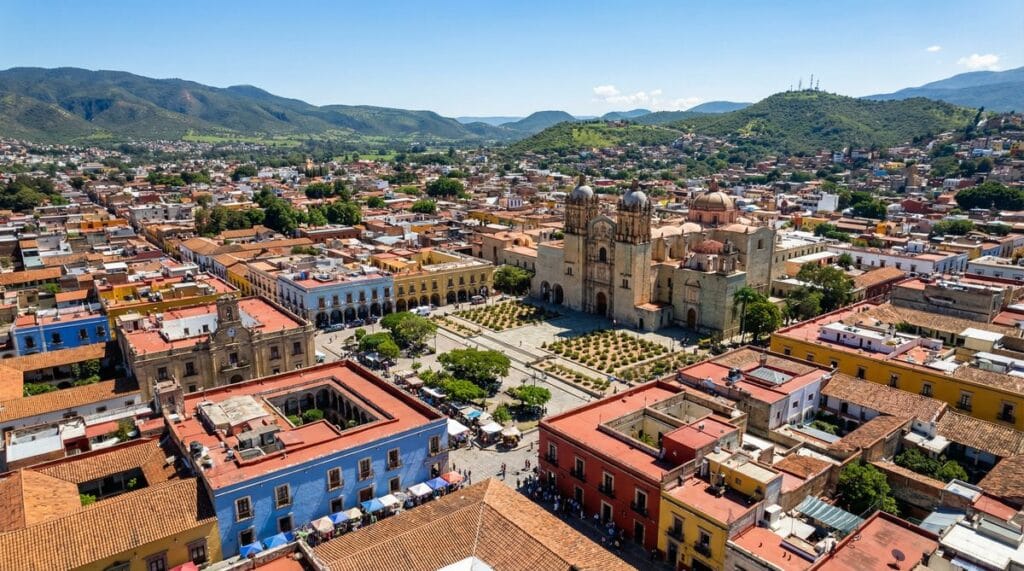
Choosing where to retire in Mexico involves balancing healthcare access, climate, mobility, budget, language and travel connections. No single destination suits everyone, so this guide compares practical trade-offs rather than declaring one universal winner.
How to Use This Comparison
This guide is designed to help you build a research shortlist, not to make a final decision for you. The profiles below describe the general character of each destination and the questions worth investigating. Conditions vary by neighbourhood, season and individual circumstances.
For a broader overview of expat destinations across Mexico, see the guide to the top places to live in Mexico.
Retirement Criteria Worth Investigating
Healthcare Planning
Healthcare access may be one of several important factors, particularly for readers who require regular specialist care. Hospital services, specialist availability and language support vary by provider and city. Confirm the facilities relevant to your health needs directly.
Mobility and Terrain
Some Mexican cities and neighbourhoods feature cobblestone streets, steep hills and uneven sidewalks. If walking ability or mobility aids are a consideration, research specific neighbourhoods before deciding.
Climate
Mexico’s climate varies considerably by altitude and region. Coastal areas generally include greater heat and humidity than highland locations. Highland cities tend to have cooler nights than coastal cities. Seasonal conditions should be tested in person where practical.
Housing and Daily Costs
Costs vary considerably by neighbourhood and property type. Compare current listings and build a local monthly budget that includes healthcare, utilities and travel.
Community Environment
Some destinations have visible international communities with English-language services and social activities. Others offer a more locally integrated environment where Spanish is more important for daily life. Consider which environment suits your preferences and language ability.
Airport and Transportation Access
Airport access matters most for people who expect frequent trips home or regular family visits. Compare current routes, ground-transfer options and seasonal schedules before choosing a base.
Language
In some areas, some English-language services may be available in tourist-oriented or internationally popular areas, but availability varies and practical Spanish remains useful. Be realistic about your current language ability and your willingness to develop it.
Destination Profiles
Lake Chapala / Ajijic
Why it may be worth researching: Lake Chapala, particularly the town of Ajijic, is a highland area where a visible international community has developed. The elevated location contributes to a climate that many residents describe as mild, though seasonal conditions vary.
Healthcare-planning considerations: Local clinics are available for routine care. Confirm whether the hospitals and specialists relevant to your health needs are available locally and what travel to Guadalajara would be required for other care.
Mobility and terrain: Some streets in older areas are cobblestone. Terrain varies by neighbourhood. Research specific areas before deciding.
Climate considerations: Coastal conditions generally include greater heat and humidity than highland locations. The rainy season brings afternoon showers. Seasonal conditions should be tested in person where practical.
Airport and transportation access: Guadalajara International Airport (GDL) serves the region. Travel time varies with traffic, route and neighbourhood. Confirm current routes and schedules.
Community environment: A visible international community has developed in and around Ajijic. Some English-language services may be available, but availability varies and practical Spanish remains useful.
Important trade-offs: Some neighbourhoods feel more oriented toward international residents than toward Mexican daily life. Traffic on the main highway can be congested.
Who may wish to research it further: Those who want a highland area with a visible international community and access to Guadalajara for broader services. See also the Lake Chapala destination guide.
Puerto Vallarta
Why it may be worth researching: Puerto Vallarta is a coastal city on Banderas Bay with a mix of resort areas and residential neighbourhoods. It has a range of private medical facilities and an active international community.
Healthcare-planning considerations: Verify directly that the hospitals and specialists you may need are available in the city.
Mobility and terrain: Some central areas are relatively flat. Many residential neighbourhoods are built into hillsides. Research specific neighbourhoods before deciding.
Climate considerations: Coastal conditions generally include greater heat and humidity than highland locations. Seasonal conditions should be tested in person where practical.
Airport and transportation access: Puerto Vallarta International Airport (PVR) serves the region. Routes and seasonal schedules change; confirm current service.
Community environment: The city has an active international community alongside a large local population. Some English-language services may be available in tourist-oriented areas, but availability varies and practical Spanish remains useful.
Important trade-offs: Housing and daily costs vary by area and property type. Research current listings and build a realistic monthly budget before committing.
Who may wish to research it further: Those who want coastal living with access to private medical facilities and an airport serving the region. See also the Puerto Vallarta destination guide.
Mérida
Why it may be worth researching: Mérida is the capital of Yucatán state and has a range of private medical facilities, a colonial historic centre and a growing international community.
Healthcare-planning considerations: Check directly whether the facilities and specialists relevant to your health needs are accessible in the city.
Mobility and terrain: The city is generally flat, which may suit people with mobility considerations. Sidewalks in the historic centre can be narrow and uneven in places.
Climate considerations: Mérida’s lowland location means heat and humidity are significant for much of the year. Experiencing the climate in person before committing is advisable.
Airport and transportation access: Mérida International Airport (MID) serves the region. Routes and seasonal schedules change; confirm current service.
Community environment: The city has a mixed local and international environment. Some English-language services may be available, but availability varies and practical Spanish remains useful.
Important trade-offs: Neighbourhood and property costs vary widely. Build a detailed local budget before making any commitment.
Who may wish to research it further: Those who want a flat, culturally rich city with private medical facilities and can tolerate extended periods of lowland heat and humidity. See also the Mérida destination guide.
San Miguel de Allende
Why it may be worth researching: San Miguel de Allende is a UNESCO World Heritage city (designated 2008) in the central highlands with a visible international community and a range of cultural and arts activities.
Healthcare-planning considerations: Confirm whether the hospitals and specialists relevant to your health needs are available locally and what travel would be required for other care.
Mobility and terrain: The historic centre has steep hills, cobblestone streets and uneven sidewalks that can be challenging. Research specific neighbourhoods before deciding.
Climate considerations: Highland locations tend to have cooler nights than coastal cities. Seasonal conditions should be tested in person where practical.
Airport and transportation access: The area is served by airports at Querétaro (QRO) and León/Bajío (BJX). Travel time varies with traffic, route and neighbourhood. Confirm current routes and ground-transfer options.
Community environment: The city has a visible international community and a range of cultural and social activities. Some English-language services may be available, but availability varies and practical Spanish remains useful.
Important trade-offs: Costs vary considerably by neighbourhood and property type. Compare current listings and build a local monthly budget. The terrain in the historic centre can be difficult for some people.
Who may wish to research it further: Those who prioritise cultural life, a visible international community and a highland climate, and who are comfortable with the terrain and a ground transfer to reach an airport. See also the San Miguel de Allende destination guide.
Mazatlán
Why it may be worth researching: Mazatlán is a Pacific coast city with a historic centre (Centro Histórico), a waterfront promenade (Malecón) and a range of private medical facilities.
Healthcare-planning considerations: Research the specific hospitals and specialists available in the city to confirm they meet your needs.
Mobility and terrain: Terrain varies by neighbourhood and district. Research specific areas before deciding.
Climate considerations: As a coastal city, Mazatlán experiences heat and humidity. A personal visit during different seasons is the most reliable way to assess whether the climate suits you.
Airport and transportation access: Mazatlán International Airport (MZT) serves the region. Routes and seasonal schedules change; confirm current service.
Community environment: The city has a mix of local residents and an international community. Some English-language services may be available in tourist-oriented areas, but availability varies and practical Spanish remains useful.
Important trade-offs: Property and daily costs differ significantly between the historic centre and newer areas. Compare current listings before deciding.
Who may wish to research it further: Those seeking a coastal city with a historic centre and a range of private medical facilities. See also the Mazatlán destination guide.
Querétaro
Why it may be worth researching: Querétaro is a large city in the central highlands with a preserved historic centre and a range of private medical facilities. It has well-developed transport connections.
Healthcare-planning considerations: Confirm the availability of the specific hospitals and specialists relevant to your health situation.
Mobility and terrain: The historic centre is relatively flat. The broader metropolitan area is large and requires a vehicle for most travel.
Climate considerations: Querétaro’s highland setting means cooler nights than coastal destinations. Visit during different seasons to assess whether the climate suits you.
Airport and transportation access: Querétaro Intercontinental Airport (QRO) serves the region. Routes and seasonal schedules change; confirm current service.
Community environment: Spanish may be more useful for day-to-day interactions than in heavily tourist-oriented areas. An international community exists but may be less visible than in some other destinations.
Important trade-offs: The metropolitan area is large and most errands require a vehicle. Costs vary by area; compare current listings and build a realistic local budget.
Who may wish to research it further: Those who want a large highland city with private medical facilities and well-developed transport connections, and who are comfortable developing Spanish language skills.
Oaxaca City
Why it may be worth researching: Oaxaca City is a highland city known for its food culture, indigenous traditions and arts scene.
Healthcare-planning considerations: Confirm whether the specialist care important to you is available locally and what referral or travel options would apply.
Mobility and terrain: The central area is generally walkable. Sidewalks can be uneven in places. The elevated location may affect some people initially.
Climate considerations: Oaxaca City’s elevation means temperatures are generally moderate, though nights can be cool. Visiting during different seasons is advisable before committing.
Airport and transportation access: Oaxaca International Airport (OAX) serves the region. Routes and seasonal schedules change; confirm current service.
Community environment: Spanish is important for daily life. An international community exists, particularly in arts and cultural circles.
Important trade-offs: Confirm whether the specialist care important to you is available locally. Current government travel guidance notes that political demonstrations and road disruptions occur in the state; review current advisories before visiting or committing.
Who may wish to research it further: Those who prioritise cultural immersion, food culture and a highland climate, and who are comfortable with the local conditions described in current government travel guidance.
Destination Comparison
This table is a starting point, not a quality ranking. Conditions vary by neighbourhood and personal requirements.
| Destination | Broad climate pattern | Terrain considerations | Healthcare-planning note | Airport/transport note | Community environment | Main point to investigate |
|---|---|---|---|---|---|---|
| Lake Chapala | Highland; generally mild | Cobblestones in older areas | Verify specialist availability locally and in Guadalajara | Airport serving the region (GDL) | Visible international community | Availability of required specialist care |
| Puerto Vallarta | Coastal; heat and humidity | Hills in many neighbourhoods | Verify specialist availability locally | Airport serving the region (PVR) | Mixed local and international environment | Tolerance for coastal heat and humidity |
| Mérida | Lowland; heat and humidity | Generally flat | Verify specialist availability locally | Airport serving the region (MID) | Mixed local and international environment | Tolerance for extended lowland heat |
| San Miguel de Allende | Highland; cooler nights | Steep hills and cobblestones in the centre | Verify specialist availability locally and for referral | Ground transfer to regional airports (QRO, BJX) | Visible international community | Terrain and language needs in daily life |
| Mazatlán | Coastal; heat and humidity | Varies by district | Verify specialist availability locally | Airport serving the region (MZT) | Mixed local and international environment | Tolerance for coastal heat and humidity |
| Querétaro | Highland; cooler nights | Flat in the historic centre | Verify specialist availability locally | Airport serving the region (QRO) | Locally oriented environment | Language needs in daily life |
| Oaxaca City | Highland; cooler nights | Generally walkable in the centre | Verify specialist availability and referral options | Airport serving the region (OAX) | Locally oriented environment | Availability of required specialist care |
How to Build a Shortlist
To narrow down your options, consider these questions:
- Which destinations provide the specialist care you may require?
- Which neighbourhoods fit your walking ability and transportation needs?
- Which climates could you tolerate throughout the year?
- How much language support do you need?
- Which housing and travel costs fit your budget?
- How close do you need to be to an airport serving your home country?
- Do you prefer a visible international community or a more locally integrated environment?
Use these answers to decide which destinations deserve further research.
The Research Visit
A research visit can help you test ordinary routines. The useful length depends on your schedule, health, housing plans and familiarity with the destination. During your visit:
- Observe the area at different times of day.
- Review current local and government safety information.
- Test routes to groceries, pharmacies and healthcare.
- Assess noise, terrain and transportation.
- Confirm internet and utility options at specific addresses.
- Experience seasonal conditions where practical.
- Speak with local professionals where appropriate.
Related Guides
For context on healthcare costs and options, see the guide to healthcare in Mexico for expats. Use the Mexico Relocation Checklist to organise the practical steps of your move once you have selected a destination.
Official Sources and Review Date
Reviewed July 2026. Hospital services, flight schedules, housing markets, local conditions and government advisories change. Verify the details important to your decision directly.
For current travel advisories, consult the Government of Canada Mexico Travel Advice and the U.S. Department of State Mexico Travel Advisory. For official immigration requirements, refer to the Instituto Nacional de Migración (INM).
Planning Note: The city profiles and comparisons in this article are general planning guidance only. They are not personalized financial, medical, legal, immigration or safety advice. Costs, safety conditions, healthcare access and visa requirements change over time and vary by neighbourhood and individual circumstances. Always verify current conditions through official sources and consult qualified professionals before making relocation decisions.

About the Author
Ken Gardner is the founder of Mexpat Guide. He writes practical, experience-based guides for Canadians and Americans relocating to or retiring in Mexico.