
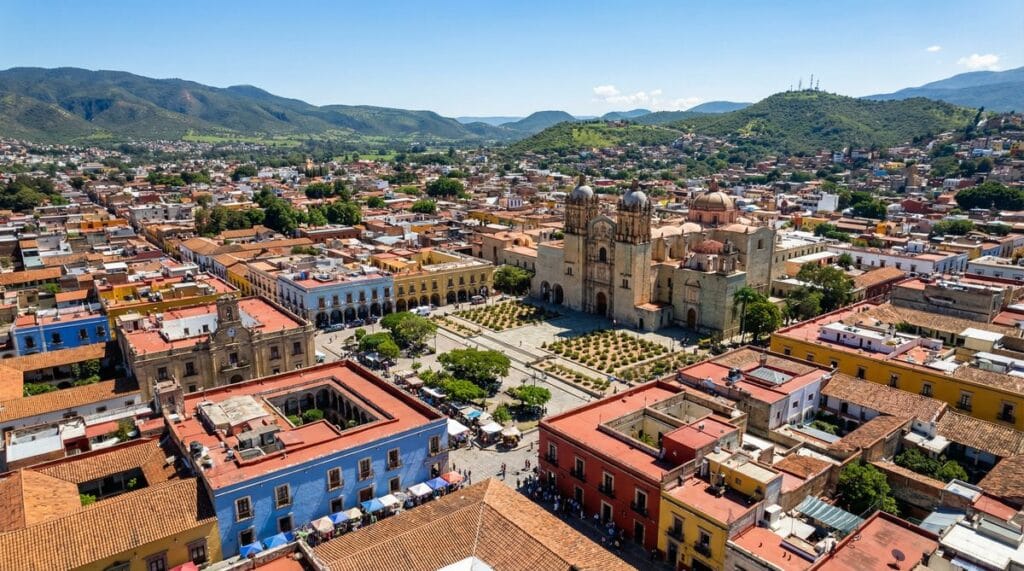
Mexico ranked 4th globally for retirement in International Living’s 2025 Global Retirement Index — and it is not hard to understand why. [1] Living costs run 42–45% lower than the United States or Canada. The climate ranges from perpetual spring in the highlands to year-round sunshine on the coasts. Healthcare is excellent in major cities and a fraction of North American prices. And 88% of expats in Mexico report feeling welcome — well above the global average. [1]
But “Mexico” is not one place. It is a country the size of Western Europe, with dramatically different climates, cultures, costs, and expat communities depending on where you land. The difference between retiring in Mérida and retiring in Oaxaca is roughly the difference between retiring in Miami and retiring in Portland — same country, entirely different experience.
This guide covers the six cities that consistently attract the most North American retirees, with honest assessments of costs, lifestyle, healthcare, and what the glossy brochures tend to leave out.
1. Mérida — The Safest Major City in Mexico
Best for: Safety-conscious retirees, culture lovers, those who want proximity to beaches without living on the coast
Monthly budget (couple): $1,434–$1,740 USD [1]
Mérida is the capital of the Yucatán state and, by most measures, Mexico’s safest major city. In 2024, CEOWorld Magazine ranked it second in North America for safety — behind only Quebec City — with approximately 100 crimes per 100,000 residents, compared to Mexico’s national average of 632. [1] For retirees who have concerns about safety, this statistic matters.
Beyond safety, Mérida offers a compelling combination of colonial architecture, a vibrant cultural scene, excellent private hospitals, and a growing but not overwhelming expat community. The city is less than an hour from Gulf Coast beaches and Mayan ruins (Chichén Itzá is a two-hour drive). The climate is hot — genuinely hot, especially from April to June — but most homes and restaurants are air-conditioned, and the evenings cool down.
Cost snapshot:
- Three-bedroom downtown apartment: $550–$850/month
- Single person monthly expenses (before rent): ~$727
- Doctor visit (private): $30–$50 USD
What nobody tells you: The heat in Mérida is intense. If you are accustomed to Vancouver or Seattle weather, the summer months (April–September) will require adjustment. Many expats spend summers elsewhere and return for the cooler months.
2. Lake Chapala and Ajijic — Latin Americas Largest Expat
Best for: Those who want a ready-made expat community, perfect weather, and a slower pace
Monthly budget (couple): $2,000–$2,500 USD [1]
The Lake Chapala area — particularly the village of Ajijic — hosts between 20,000 and 30,000 expats, making it the largest retirement community for North Americans in Latin America. [1] The 70-year-old Lake Chapala Society runs over 60 classes and social activities, and the infrastructure for English-speaking retirees is more developed here than anywhere else in Mexico.
The climate is the main draw: temperatures stay between 68°F and 82°F (20–28°C) year-round, with no humidity and no air conditioning required. This is why the area has attracted retirees for generations. The lake itself is beautiful, though water quality has been a long-standing environmental concern.
Cost snapshot:
- Two-bedroom rental: $750–$900/month
- Local bus: ~$0.40 per ride
- Couple’s monthly budget: $2,000–$2,500
What nobody tells you: The expat community is so large and established that it is possible to live here for years without developing meaningful relationships with Mexican locals. InterNations reports that 35% of expats in the area describe their friends as mostly locals — more than double the global average — but this requires intentional effort. [1]
3. Guanajuato City — Colonial Charm at Half the Price of
Best for: Budget-conscious retirees, culture lovers, those who want authentic Mexico without tourist prices
Monthly budget (single): $1,100–$1,200 USD; (couple): $1,500–$1,770 USD [1]
Guanajuato is one of Mexico’s most beautiful cities — a UNESCO World Heritage Site of winding cobblestone streets, colourful colonial buildings, and underground roads (the city was built over a network of tunnels originally used to drain floodwaters). It has all the colonial charm of San Miguel de Allende at roughly half the cost.
The city is home to the University of Guanajuato, which gives it a youthful, intellectual energy. The annual Festival Internacional Cervantino — one of Latin America’s most important arts festivals — draws international performers every October. Dining out costs around $6 per meal. [1]
Cost snapshot:
- One-bedroom apartment (Centro): ~$600/month
- One-bedroom (outside historic center): ~$400/month
- Dining out: ~$6 per meal
What nobody tells you: Guanajuato is hilly — genuinely hilly. Walking to the market or a restaurant often involves significant elevation changes. This is charming when you are 55 and healthy; it requires more consideration as mobility becomes a factor. Evaluate the specific neighbourhood you are considering carefully.
4. San Miguel de Allende — World-Class Living at a Premium
Best for: Those who want the best of everything and are willing to pay for it
Monthly budget (single): $1,200–$1,800 USD; (couple): $2,000–$3,000 USD [1]
San Miguel de Allende is the most internationally famous retirement destination in Mexico, and for good reason. The UNESCO-listed historic centre is genuinely beautiful. The restaurant scene is world-class.
The arts community is thriving. The healthcare is excellent. And the expat community is large, sophisticated, and well-organized.
It is also the most expensive city on this list. You are paying a significant premium for the San Miguel lifestyle — 30–50% more than comparable Mexican cities, though still 30–50% less than comparable US locations. [1]
Cost snapshot:
- Centro rental: $700–$1,200/month
- Outlying areas: from $500 for two-bedrooms
- Couple’s monthly budget: $2,000–$3,000
What nobody tells you: San Miguel has become so popular with North American retirees that some neighbourhoods feel more like a wealthy American suburb than Mexico. If authentic cultural immersion is important to you, you may find it requires more effort here than in less-touristed cities.
5. Puebla — Modern City, Authentic Culture, Unbeatable Value
Best for: Those who want a major city with modern amenities, strong infrastructure, and lower costs
Monthly budget (couple): ~$1,586 USD [1]
Puebla is Mexico’s fourth-largest city, and it is consistently underrated by the expat community. It has the infrastructure of a major city — excellent private hospitals, international airport, modern shopping — combined with a UNESCO historic centre, a renowned food scene (Puebla is the birthplace of mole and chiles en nogada), and living costs that are among the lowest of any major Mexican city.
Doctor visits start at $30 USD, and pharmacy-attached clinics charge just $3 for basic consultations. [1] The city sits at 7,000 feet elevation, which means a mild, cool climate year-round — no air conditioning required, and temperatures rarely exceed 25°C (77°F).
Cost snapshot:
- Two-bedroom apartment: ~$650/month
- Couple’s monthly budget: ~$1,586
- Doctor visit: from $3 (pharmacy clinic) to $30 (private specialist)
What nobody tells you: Puebla has a smaller expat community than Chapala or San Miguel, which means less English-language infrastructure. Basic Spanish is more important here than in the more established expat destinations. This is a feature for some retirees and a barrier for others.
6. Oaxaca City — Authentic Culture for the Adventurous
Best for: Those seeking deep cultural immersion, exceptional cuisine, and a slower pace
Monthly budget (couple): $2,000–$2,500 USD [1]
Oaxaca is one of Mexico’s most culturally rich cities — home to indigenous Zapotec traditions, a UNESCO-listed historic centre, and a food scene that has attracted international attention (mole negro, tlayudas, mezcal, and chocolate are all Oaxacan specialties). The pace of life is genuinely slow, the architecture is beautiful, and the surrounding mountains and valleys are extraordinary.
The expat community is growing but remains small enough that basic Spanish is genuinely necessary to thrive here. This is not a criticism — it is part of what makes Oaxaca special. Retirees who invest in the language find the cultural rewards are exceptional.
Cost snapshot:
- Three-bedroom home in Jalatlaco: ~$1,250/month
- Couple’s monthly budget: $2,000–$2,500
What nobody tells you: Oaxaca’s altitude (5,085 feet / 1,550 metres) means cool evenings year-round — bring layers. The city also experiences occasional political demonstrations (plantones) that can disrupt traffic and daily life. These are generally peaceful but can be disorienting for newcomers.
Side-by-Side Comparison
| City | Monthly Budget (Couple) | Climate | Expat Community | Safety | Best For |
|---|---|---|---|---|---|
| Mérida | $1,434–$1,740 | Hot, tropical | Medium, growing | Excellent | Safety, culture, value |
| Lake Chapala/Ajijic | $2,000–$2,500 | Perfect (spring year-round) | Very large | Good | Ready-made community |
| Guanajuato | $1,500–$1,770 | Mild, highland | Small | Good | Budget, authenticity |
| San Miguel | $2,000–$3,000 | Mild, highland | Very large | Good | Best of everything |
| Puebla | ~$1,586 | Cool, highland | Small | Good | Value, infrastructure |
| Oaxaca | $2,000–$2,500 | Mild, highland | Small, growing | Good | Culture, cuisine |
Before You Commit: The Rent-First Rule
Every experienced Mexico expat will tell you the same thing: rent before you buy, and live somewhere for at least a year before making permanent decisions. The city that looks perfect on paper may not suit your temperament, health needs, or social preferences in practice. The city you overlooked may turn out to be exactly right.
Mexico’s temporary residency visa allows you to live legally in the country while you explore. Use that time to test neighbourhoods, build relationships, understand the healthcare system, and discover which version of Mexico feels like home.
Deep Dive AI Prompts
Use these prompts with ChatGPT or any AI assistant to explore this topic further:
- “Compare the cost of living in Mérida, Mexico versus Lake Chapala for a retired Canadian couple with $3,000/month in pension income. Which is more suitable?”
- “What are the pros and cons of retiring in San Miguel de Allende versus Guanajuato City? I’m looking for authentic culture and colonial architecture on a moderate budget.”
- “I want to retire in Mexico but I don’t speak Spanish. Which cities have the best English-language infrastructure for expats?”
- “What is the process for establishing temporary residency in Mexico? What income do I need to qualify?”
Frequently Asked Questions
Is Mexico safe for retirees? Safety varies enormously by location. Cities like Mérida, San Miguel de Allende, and Lake Chapala have excellent safety records and large expat communities.
As with any country, choosing your specific neighbourhood carefully and staying informed about local conditions is important. The US State Departments travel advisories provide useful, location-specific information.
Do I need to speak Spanish to retire in Mexico? In established expat communities like Lake Chapala, San Miguel de Allende, and Puerto Vallarta, you can manage with English alone. In smaller cities like Guanajuato, Puebla, and Oaxaca, basic Spanish is genuinely helpful. Learning conversational Spanish will significantly improve your quality of life and relationships regardless of where you live.
What is the minimum income needed to retire comfortably in Mexico? A couple can live comfortably in most Mexican cities on $2,000–$2,500 USD per month, including rent, food, healthcare, transportation, and entertainment. In lower-cost cities like Guanajuato or Puebla, $1,500–$1,800 is achievable. In San Miguel de Allende, budget $2,500–$3,000 for a comfortable lifestyle.
Can I own property in Mexico as a foreigner? Yes, with some restrictions. Foreigners can own property in Mexicos interior without restriction.
In coastal and border zones (within 50 km of the coast or 100 km of a border), property must be held through a fideicomiso (bank trust) or a Mexican corporation. Working with a reputable real estate attorney is essential.
How does Mexican healthcare compare to Canadian or American healthcare? In major cities, private hospital care is excellent — modern facilities, internationally trained doctors, fast specialist access, and costs 50–70% lower than the USA. For a detailed breakdown of healthcare options, see our complete guide to [healthcare in Mexico for expats].
References
[1] Ita, D. (2026). Retire in Mexico for Less: 6 Beautiful Places That Won’t Break the Bank. Investopedia. Retrieved from https://www.investopedia.com/affordable-places-in-mexico-for-retirement-11896906

About the Author
Ken Gardner is the founder of Mexpat Guide. He writes practical, experience-based guides for Canadians and Americans relocating to or retiring in Mexico.